It’s tough staying on top of social media trends. You hear about new things all the time. People talk about “ROI investing daily.” What does that even mean?
And how does it affect what you do online? This can feel confusing. You want to know if your efforts are paying off.
This guide breaks it down. We look at real numbers. We explain what matters for your social media.
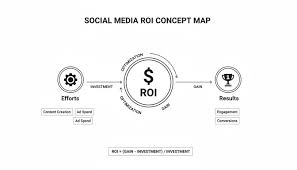
The core idea of daily social media ROI investing is measuring the value you get back each day from your social media activities. This involves tracking costs against benefits to understand if your efforts are profitable over short timeframes. It’s about smart, ongoing adjustments.
Understanding Daily Social Media ROI Investing
Social media ROI means Return on Investment. It shows how much you get back for what you put in. For investing, this is about money.
With social media, it’s broader. It can be sales, leads, or brand awareness. Daily social media ROI investing looks at this day by day.
It’s not just once a year. It’s about seeing progress in short bursts.
Think about your time and money. You spend hours posting. You might pay for ads.
ROI helps you see if that time and money are worth it. Are you getting more customers? Is your brand known better?
Daily tracking helps you see patterns faster. It’s like checking your stocks every day. You see ups and downs.
You can react quicker.
This daily look helps you tweak your approach. Maybe one type of post does well on Monday. But another shines on Friday.
Knowing this daily helps you plan better. You use your resources where they give the most back. It makes your social media work harder for you.
It’s a smarter way to use your online presence.
Why Daily Tracking Matters for Your Social Media
Why focus on daily? Because trends change fast. What works today might not work tomorrow.
Daily checks let you adapt quickly. You can see if a new campaign is hitting home. Or if an old strategy is losing steam.
This speed is a big advantage. It keeps your social media fresh and effective.
Imagine a sale you’re running. You announce it on social media. Daily tracking lets you see if people are clicking.
Are they buying? If not, you can adjust your ads or posts right away. You don’t wait a week.
This saves you money and lost opportunities. It’s about being nimble and smart.
This also builds trust. When you respond quickly to engagement, people notice. If you see a question and answer it the same day, it feels good.
It shows you care. This daily interaction builds a stronger community. It makes people feel heard and valued.
That’s a huge win for any brand.
The “Investing” Angle: Beyond Just Spending
When we say “investing” in social media, it’s different from just spending. Spending is putting money out. Investing is putting money (or time) out with a plan to get more back.
Daily social media ROI investing means you’re actively managing that plan every day.
You’re not just posting and hoping. You’re watching. You’re analyzing.
You’re making small changes. This could be shifting ad spend. Or trying a different hashtag.
Or changing the time you post. These aren’t big overhauls. They are small, smart moves based on daily data.
It’s like a gardener tending their plants daily.
This approach makes your social media a growth engine. It’s not a cost center. It’s a place where you actively build value.
You’re building relationships. You’re increasing brand loyalty. You’re driving sales.
All these things contribute to your overall business health. And doing it daily makes it more effective.
Real Numbers: What to Track Daily
To measure daily ROI, you need to track specific numbers. These are the “real numbers” that tell the story. Here’s what to focus on:
Daily Social Media Metrics to Watch
- Engagement Rate: Likes, comments, shares per post.
- Reach and Impressions: How many people see your content.
- Click-Through Rate (CTR): How many click on your links.
- Website Traffic from Social: Visitors arriving from your social posts.
- Conversion Rate: How many visitors from social media complete a goal (e.g., buy, sign up).
- Cost Per Click (CPC) / Cost Per Mille (CPM): For paid ads.
- Follower Growth: Net new followers gained.
- Mentions and Sentiment: What people are saying about your brand.
These numbers give you a clear picture. Are people interacting? Are they coming to your site?
Are they buying? The cost of your ads is also key. You compare what you spend daily to what you get back daily.
For example, if you spend $50 on ads today and get 10 sales worth $20 each ($200 total), your ROI is good. That’s $200 back for $50 spent. But if you spend $50 and get only 2 sales ($40 total), your ROI is low.
This daily insight lets you adjust your ad budget or targeting.
Tracking sentiment is also vital. Are people happy with your brand? Or are they complaining?
A flood of negative comments can signal a problem. You need to know this fast. This daily check on brand perception is super important.
Calculating Your Daily Social Media ROI (A Simple Look)
Calculating ROI doesn’t have to be scary. For a simple daily view, you can use this idea:
Daily Gain from Social Media (Sales Revenue, Lead Value) minus Daily Cost of Social Media (Ad Spend, Tool Costs, Time Value) divided by Daily Cost of Social Media.
Let’s break that down. Daily Gain is what you earned that day directly from social efforts. This might be sales from social media ads.
Or the estimated value of leads you got. This is the tricky part. You need to link social activity to revenue.
Daily Cost is easier. It’s the money you spent on ads today. It’s also the cost of your time.
If you spend 2 hours on social media and your hourly rate is $25, that’s $50 in time cost. Add any tool subscriptions you use daily.
Let’s say:
Daily ROI Example
Daily Gain: $200 (from sales linked to social media posts)
Daily Cost: $75 ( $50 ad spend + $25 value of your time)
Calculation: ($200 – $75) / $75 = $125 / $75 = 1.67
This means for every $1 you spent, you got $1.67 back. That’s a good daily ROI.
If the number is less than 1, you’re spending more than you’re earning. That’s a sign to change things. If it’s negative, you’re losing money.
You need to act fast. Daily tracking makes these quick adjustments possible.
Common Pitfalls in Daily ROI Tracking
While daily tracking is great, people often make mistakes. One big one is not tracking accurately. Are you sure the sales came from social media?
Or could they have come from somewhere else?
Another issue is focusing on the wrong numbers. Likes are nice, but do they lead to sales? You need to connect social activity to business goals.
Vanity metrics like follower count alone don’t show profit. They show reach, but not necessarily impact.
Some people track costs incorrectly. They forget to add the value of their time. Or they only count ad spend.
Your time is a valuable resource. When you spend hours on social media, that’s an investment. You need to factor that in to see the true ROI.
Finally, some get discouraged. If one day’s ROI is low, they give up. But social media is a marathon, not a sprint.
You need to look at trends over time. Daily numbers are a snapshot. You need to see the whole picture.
A bad day doesn’t mean your strategy is broken. It might just be an off day.
Bridging Social Media Activity to Business Outcomes
The hardest part of social media ROI is linking daily actions to real business results. This is where good tracking tools come in. Google Analytics is your friend.
It can tell you how much traffic social media sends to your website. And what those visitors do.
You can also use UTM parameters. These are codes you add to your links. They tell Google Analytics exactly where traffic came from.
Was it Facebook? Instagram? A specific campaign?
This helps you attribute sales and leads more accurately.
For e-commerce, many platforms offer direct integrations. Shopify, for example, can often tell you which social channels drove sales. This direct connection is gold.
It makes your daily ROI calculation much more precise.
Even for brands that don’t sell directly online, there are ways. If your goal is brand awareness, you might track mentions. Or sentiment analysis.
Higher positive mentions might correlate with more inquiries. You need to define what success looks like for your business.
How Daily Data Informs Strategy Shifts
When you see daily numbers, you can make quick, smart shifts. Let’s say your Instagram Reels are getting huge reach today. But your Facebook posts are falling flat.
You can then decide to put more effort into Reels. Maybe boost your best Reels with a small ad budget.
This daily insight helps you allocate resources wisely. You stop spending time and money on what’s not working. You double down on what is working.
This makes your social media efforts much more efficient.
It also helps you test ideas. You can try a new content format or a different call to action. Then, check the numbers tomorrow.
Did it work? If yes, great. If no, learn from it and try something else.
This constant testing and learning cycle is key to mastering social media ROI.
Contrast: Normal vs. Concerning Daily Social Media Trends
Normal Trends
Steady Follower Growth: A few new followers each day.
Consistent Engagement: Likes and comments on most posts.
Moderate Website Clicks: Visitors coming to your site daily.
Positive or Neutral Sentiment: Mostly good feedback.
Concerning Trends
Sudden Follower Drop: Losing followers rapidly.
Zero Engagement: No likes or comments for days.
High Ad Costs, Low Clicks: Paying a lot for few results.
Negative Sentiment Spike: Lots of complaints or bad reviews.
Seeing a sudden drop in engagement? That’s a concerning trend. It might mean your content is stale.
Or a competitor launched something big. You need to investigate. This daily vigilance is what separates successful social media strategies from the rest.
The Role of Time Value in Daily Social Media ROI
When we talk about investing, we often think of money. But our time is also an investment. If you spend 4 hours a day on social media, that’s a significant cost.
Let’s say your time is worth $30 an hour. That’s $120 a day you’re investing in social media just through your time.
So, if you spend $50 on ads and 4 hours of your time ($120), your total daily cost is $170. If that yields $150 in sales, your ROI is negative. You’re losing money.
This perspective is crucial for true daily ROI tracking.
It encourages efficiency. Are there tools that can save you time? Can you batch content creation?
Can you automate some tasks? These are questions that arise when you properly value your time as an investment.
This is why people use scheduling tools. Or hire social media managers. They are investing to get a better return.
They are freeing up their own time for other critical tasks. Or they are hiring someone with expertise to do it better and faster.
Setting Realistic Daily Goals
It’s easy to get excited about daily ROI. But it’s important to set realistic goals. Not every day will be a massive success.
Some days will be about building. Others might be about engagement. Others might be about direct sales.
Instead of a fixed number, aim for consistent improvement. Maybe your goal is to increase your daily engagement rate by 0.5% each week. Or to reduce your cost per click by $0.10 each month.
These are measurable, achievable goals.
Think about the customer journey. Someone might see your post today. They might not buy for a week.
So, a single day’s sale might not show the full impact. Daily ROI is a guide. It helps you stay on track.
But don’t get fixated on one perfect day.
Goals should align with your overall business objectives. Are you aiming for rapid growth? Or building a loyal community?
Your daily goals should reflect these bigger aims. A steady, positive trend over weeks is often more valuable than a single spike.
Tools to Help With Daily Tracking
Thankfully, you don’t have to do all this math manually. Many tools can help you track your daily social media ROI.
Key Tools for Daily ROI Tracking
Native Platform Analytics: Facebook Insights, Instagram Insights, Twitter Analytics, LinkedIn Analytics provide basic daily data.
Google Analytics: Tracks website traffic sources, behavior, and conversions from social media.
Social Media Management Tools: Hootsuite, Buffer, Sprout Social offer combined analytics and reporting.
Advertising Dashboards: Facebook Ads Manager, Google Ads provide detailed daily ad performance data.
CRM Systems: Salesforce, HubSpot can help track leads and sales generated from social media.
Using these tools, you can pull daily reports. You can see trends emerge. Many of these tools can also help you calculate costs and potential returns.
They simplify the process. This makes daily tracking much more manageable.
Personal Experience: A Wake-Up Call with Daily Data
I remember when I first started taking daily ROI seriously. I was running a small online store. I was posting on social media every day.
I thought I was doing a great job. But sales weren’t what I hoped for.
I started using a simple spreadsheet. I logged my ad spend each day. I logged the time I spent.
And I tried to track sales that seemed to come from social media. It was messy at first. But after a week, I saw something alarming.
My ad spend was moderate. My time investment was high. But the sales directly linked to social media were very low.
Some days, my “ROI” was negative. I was spending more than I was getting back. It was a bit of a shock.
That day, I decided to change my strategy. I cut back on broad posts. I focused on specific product features.
I experimented with different ad creatives. I also started using UTM tags more rigorously. The next week, the numbers started to shift.
Slowly, my daily ROI began to improve. It was a powerful lesson.
The “Brief” Aspect: Focusing on What Truly Counts
The term “brief” in daily social media ROI investing is important. It means don’t get lost in endless data. Focus on the key metrics that drive your business.
What are your top 2-3 goals? Are they leads, sales, or brand mentions?
If your main goal is sales, then daily sales figures from social media are crucial. If it’s lead generation, then the number of new leads from social is key. Don’t track everything just because you can.
This brief focus ensures you’re always looking at the big picture. You’re not getting bogged down in minor details. You’re always asking: “Is this activity contributing to my main goals?” This clarity is vital for making quick, smart decisions.
It also makes the process less overwhelming. Instead of a huge dashboard of stats, you have a short list. A few numbers that really matter.
This helps you stay motivated. It keeps you focused on what drives real results for your business.
Real Numbers in Action: Case Study Snippets
Let’s look at a couple of quick examples of how daily ROI can play out:
Case Study Snippet 1: E-commerce Store
Goal: Increase daily online sales.
Daily Tracking: Monitored Facebook ad spend vs. sales generated via Facebook Pixel and Google Analytics.
Insight: Found that video ads performed significantly better than image ads on weekdays. Daily ROI on video ads was 3:1, while image ads were 1:1.
Action: Shifted daily ad budget to focus on video ads during weekdays.
Case Study Snippet 2: B2B Service Provider
Goal: Generate qualified leads daily.
Daily Tracking: Tracked LinkedIn ad spend vs. leads generated from landing page sign-ups (using UTMs).
Insight: Noticed that posts targeting specific job titles drove more leads, though at a slightly higher cost per lead. Broader targeting had lower cost but fewer qualified leads.
Action: Refined LinkedIn ad targeting to focus on key job titles, increasing daily lead quality and overall daily ROI for lead generation.
These snippets show how specific daily numbers can lead to clear actions. The key is consistent monitoring and a willingness to adapt.
Future of Daily Social Media ROI
As social media platforms evolve, so will the ways we measure ROI. AI and machine learning will likely play a bigger role. They can help predict outcomes and optimize campaigns in real-time.
This means daily ROI tracking could become even more automated and sophisticated.
We’ll likely see more integrated analytics. It will become easier to connect social media efforts to sales across all channels. The focus will remain on demonstrating value.
Businesses will continue to demand proof that their social media investments are paying off.
The trend towards personalized content and experiences will also impact ROI. Measuring how well your personalized efforts resonate with individuals will be key. This might involve tracking micro-conversions and deeper engagement metrics.
Ultimately, the core principle will stay the same. Understand what you invest daily and what you get back. Use that information to make your social media efforts more effective.
Daily ROI investing is not a fad. It’s a smart way to manage your online presence.
When to Re-evaluate Your Daily Strategy
While daily tracking is important, you don’t need to change your entire strategy every single day. It’s about making small, informed adjustments. However, there are times when a bigger re-evaluation is needed.
If your daily ROI consistently trends downwards for a week or more, it’s a red flag. This suggests a deeper issue. It might be a change in platform algorithms.
Or increased competition. Or a shift in audience behavior.
Also, consider major business changes. Are you launching a new product? Entering a new market?
These events require you to look at your social media strategy with fresh eyes. Your daily goals and metrics might need to change too.
Don’t be afraid to pause and rethink. Sometimes stepping back, looking at the bigger picture (monthly or quarterly reports), and then refining your daily approach is the most effective move. It ensures you’re not just reacting to daily fluctuations but steering your social media ship in the right direction.
Frequently Asked Questions About Daily Social Media ROI
What is the most important metric for daily social media ROI?
It depends on your business goals, but for most, it’s the conversion rate or direct revenue generated from social media activities compared to the daily cost. This shows tangible business impact.
How often should I actually check my social media ROI?
While the concept is “daily social media ROI investing,” you might not need to pull full reports every single day. Checking key metrics daily (engagement, clicks, ad performance) is smart. For a full ROI calculation, weekly or bi-weekly might be sufficient, depending on your business pace.
Can I calculate daily ROI for brand awareness?
Yes, but it’s less direct. You can track metrics like daily increases in brand mentions, positive sentiment, website traffic from branded searches, or follower growth as proxies for awareness. The “return” is harder to quantify directly into dollars each day.
What if my social media is losing money daily?
If your daily ROI is negative, it’s a clear signal to adjust. Review your ad targeting, content, calls to action, and budget allocation. Consider pausing underperforming campaigns and testing new approaches. It’s crucial to act quickly to minimize losses.
How do I account for the value of my time in daily ROI?
Determine a realistic hourly rate for your time based on your skills or what you’d pay someone else. Then, log the hours you spend on social media tasks daily and add that as a cost to your calculation. This gives a truer picture of your investment.
What are “vanity metrics” in social media ROI?
Vanity metrics are numbers that look good but don’t necessarily translate to business goals. Examples include a high follower count without engagement or likes on a post that don’t lead to website visits or sales. Daily ROI focuses on metrics tied to outcomes.
Conclusion
Understanding and acting on daily social media ROI is key. It moves you from guessing to knowing. You see what’s working.
You stop what’s not. This focus on real numbers and quick adjustments makes your online efforts pay off more. It’s about smart, ongoing growth.
Start tracking today.