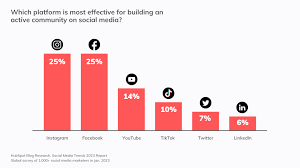
Community truly wins the social media game. By focusing on genuine connection and shared experiences, you build lasting engagement that outshines fleeting trends. This approach fosters loyalty and organic growth, making your presence robust and meaningful over time.
What Community on Social Media Really Means
Community on social media isn’t just a buzzword. It means a group of people who share a common interest. They gather online to talk, share ideas, and support each other.
Think of it like a friendly club. Everyone feels welcome and valued. They come back because they feel a sense of belonging.
This group isn’t just following you. They are actively participating. They comment on your posts.
They share your content with their friends. They might even create their own posts related to your topic. This is the heart of a strong online community.
It’s built on mutual respect and shared passion. It’s more than just likes and shares. It’s about relationships.
Why does this matter so much today? In a world filled with noise, people crave real connection. They want to feel heard.
They want to be part of something. A strong community provides this. It offers a space where people can be themselves.
They can share their thoughts without fear. This feeling of safety and belonging is powerful.
Building this kind of group takes time. It doesn’t happen overnight. It requires consistent effort and genuine interest.
But the rewards are huge. You get loyal fans. You get valuable feedback.
You build a brand that people trust and love. This is what we mean when we say community wins. It’s the foundation of lasting success.
My Own Social Media Struggle: The Trend Chaser
I remember a time when I was obsessed with trends. It was about three years ago. I was trying to grow my little online business.
Every morning, I’d wake up and check what was hot. Was it a new dance challenge? A viral sound?
A trending hashtag? I’d spend hours trying to jump on board. I felt like a hamster on a wheel.
I was running fast but not really going anywhere.
My content felt scattered. One day it was a silly video. The next day, a serious post.
My followers must have been confused. I was getting a few likes here and there. But no real conversations.
No one was sharing my stuff. No one seemed to care beyond a quick glance. It was so frustrating.
I saw other accounts growing. They seemed to have this magic formula I was missing.
One afternoon, I was scrolling through comments on a popular creator’s post. It wasn’t about a trend at all. It was about a shared struggle they were having.
People were flooding the comments with their own stories. They were offering support. They were saying things like, “Me too!” and “Thanks for sharing this.” I felt a pang of envy.
That felt like real connection. My own comments sections were usually silent crickets.
That was a turning point. I realized I was chasing ghosts. I was trying to be everywhere and everything to everyone.
But I wasn’t being authentic. I wasn’t building a real connection with anyone. The trend-chasing approach felt empty.
It was exhausting and, frankly, not very fun anymore. I decided to try something different. I decided to focus on the people who were actually showing up for me.
The Trend Trap: Why It Fails Long-Term
Problem: Constantly chasing viral trends.
Why it’s tempting: Promises quick, massive reach.
The reality: Trends are fleeting. They don’t build loyalty.
Engagement: Often superficial. Likes, not deep connection.
Effort vs. Reward: High effort, low long-term payoff.
Your Brand: Can seem inconsistent or desperate.
The Power of Shared Interest: Finding Your Tribe
So, how do you find this “tribe” or community? It starts with what you and your audience care about. What are your passions?
What problems do you solve? What are your unique insights? Your community will gather around these common threads.
Let’s say you love baking. You don’t just post pictures of cakes. You share tips on making perfect frosting.
You ask your followers what their favorite flavors are. You might even host a “bake-along” event. Your followers start talking to each other in the comments.
They share their own baking wins and fails.
This shared interest is the glue. It makes people feel understood. They see others who love what they love.
This is incredibly powerful. It transforms passive followers into active members. They become invested in your success and the success of the group.
Think about it in terms of your own online habits. You probably follow accounts that align with your hobbies. You might join Facebook groups related to your interests.
You subscribe to newsletters that speak to your values. This is human nature. We seek out places and people who “get” us.
On social media, this means being clear about your niche. Don’t try to be a fitness guru one day and a finance expert the next. Unless, of course, those two things are genuinely connected for you and your audience.
Stick to what you know and love. This authenticity attracts the right people. These are the people who will become your community.
Quick Scan: What Makes a Community Thrive?
- Shared Passion: A common interest or goal.
- Active Participation: Members engage, not just consume.
- Mutual Respect: People feel safe and heard.
- Consistent Value: Regular, relevant content and interaction.
- Sense of Belonging: Feeling part of something bigger.
Real-World Scenarios: Community in Action
You see community winning all the time. Look at gardening groups online. People share pictures of their triumphs and their pests.
They ask for advice when a plant is wilting. They offer encouragement when someone shares a sad, bare patch of soil. It’s a constant back-and-forth of help and support.
Consider book clubs on social media. Members discuss characters. They share their favorite quotes.
They recommend other books. It’s a space for deep dives into literature. It’s not just about posting a cover photo.
It’s about shared reading experiences.
Even brands that sell physical products build communities. Think about a popular brand of running shoes. Their social media might feature customer stories.
They might host virtual runs or challenges. Their followers share their running routes. They post their finish times.
They cheer each other on. This fosters incredible loyalty. Customers become advocates.
What ties these examples together? They aren’t just broadcasting. They are facilitating conversations.
They are creating a space for interaction. They understand that their audience has valuable insights. They empower their audience to share and connect with each other.
This creates a network effect. The community grows because members feel valued and connected.
It’s also about meeting people where they are. If your audience is on Instagram, focus there. If they are on TikTok, build your presence there.
Don’t try to be everywhere. Choose the platforms where your target community hangs out. Then, focus on building genuine connections on those platforms.
When “Normal” Community Interaction Happens
It’s important to know what normal community interaction looks like. This helps you spot it and encourage it. It’s when people ask questions.
They aren’t just asking you. They are asking other members too. You’ll see comments like, “Has anyone else tried this?” or “What do you guys think about.?”
It’s when people share their own experiences. They might reply to a post with their own story. They’ll say, “This happened to me too!” or “I found this tip helpful when.” They aren’t waiting for you to prompt them.
They are proactively contributing. This is a sign of a healthy, engaged group.
You’ll also see members defending each other. If someone posts a slightly naive question, another member might gently guide them. They’ll offer support rather than criticism.
This creates a safe space. It shows that the community values everyone. Even beginners feel welcome to ask for help.
Another sign is user-generated content. People start creating their own posts inspired by your content. They might tag you.
They might use a specific hashtag you’ve promoted. This is gold. It means your community is actively participating.
They are becoming co-creators.
Think about how you feel when you’re part of a supportive group. You feel more confident. You feel more informed.
You feel less alone. This is the feeling you want to cultivate. When people feel this way, they stick around.
They become your most valuable assets. They become your biggest cheerleaders.
Community Engagement: Normal vs. Concerning
Normal Engagement
- Questions asked to the group.
- Sharing personal stories.
- Offering peer support.
- User-generated content.
- Enthusiastic participation.
Concerning Engagement
- Only likes, no comments.
- Very few active members.
- Spam or irrelevant posts.
- Negative or hostile interactions.
- Complete silence after posts.
Building Your Own Engaged Community
So, how do you actually build this? It starts with consistency. Post regularly.
Don’t just post when you feel like it. Have a schedule. Your audience needs to know when to expect content from you.
Engage back! This is huge. When someone comments, reply to them.
Like their comment. Ask them follow-up questions. Make them feel seen.
This is crucial. It shows you’re not just talking at people. You’re talking with them.
This simple act can turn a passive follower into an active member.
Ask questions in your posts. Don’t just state facts. Pose questions that spark thought and discussion.
“What’s your biggest challenge with X?” or “What’s your favorite way to do Y?” Make it easy for people to respond.
Run polls and Q&As. These are great for quick engagement. They also give you insights into what your audience wants.
Polls are simple. Q&As allow for more detailed interaction. Use stories for this.
They are perfect for informal chats.
Create exclusive content for your community. This could be a private group, a special live session, or early access to something. It makes them feel special.
It gives them a reason to be deeply invested.
Encourage user-generated content. Run contests. Create a hashtag.
Feature your followers. When you highlight your community, they feel appreciated. They are more likely to create more content for you.
Be human. Share your own struggles and triumphs. Be relatable.
People connect with people, not just logos or brands. Your imperfections make you more approachable. This encourages others to share theirs.
Monthly Social Media Trends: Beyond the Daily Buzz
While daily trends are fleeting, monthly patterns offer a different perspective. These are less about a specific meme and more about seasonal shifts or recurring events. Understanding these can help you plan content that feels relevant and timely.
Think about holidays. Every month has its share. January brings New Year’s resolutions and winter themes.
February has Valentine’s Day and Black History Month. March might bring St. Patrick’s Day and the start of spring.
April has Earth Day and Easter. You get the idea.
These aren’t just one-off events. They influence people’s moods, interests, and buying habits. For example, in the fall, people might be interested in cozy home content, back-to-school tips, or preparing for holidays.
In the summer, outdoor activities, travel, and lighter topics often take center stage.
Businesses and creators can tap into these monthly themes. If you sell coffee, August might be about iced coffees and refreshing drinks. December could be about warm, spiced lattes and holiday gift ideas.
This kind of planning helps you create content that resonates with the current season or mood.
It also allows for deeper dives. Instead of just jumping on a daily trend, you can create a series of posts or a campaign around a monthly theme. This builds more sustained engagement.
It shows you’re thoughtful about your content. It feels less random and more curated.
Monthly Theme Ideas
- January: New Beginnings, Health & Wellness, Organization
- February: Love, Relationships, Black History Month, Winter Comforts
- March: Spring Awakening, Luck, Women’s History Month
- April: Earth Day, Renewal, Outdoor Activities
- May: Mother’s Day, Graduation, Outdoor Season Prep
- June: Summer Solstice, Pride Month, Outdoor Fun
- July: Independence Day, Summer Vacation, Heat Relief
- August: Back to School, End of Summer, Travel
- September: Fall Harvest, Back to Routine, Cozy Vibes
- October: Halloween, Autumn Colors, Harvest Festivals
- November: Gratitude, Thanksgiving, Early Holiday Prep
- December: Holidays, Winter Solstice, Reflection, Gifting
What Monthly Themes Mean for Your Strategy
Integrating monthly themes into your social media strategy can be a game-changer. It gives you a framework for planning. It helps you stay relevant without chasing every tiny daily trend.
First, identify the themes relevant to your niche. If you are in the pet industry, National Pet Month (May) is obvious. But also consider broader themes like “Summer Adventures with Pets” or “Cozy Winter Pet Care.”
Next, map out your content calendar. For each month, brainstorm 3-5 key ideas related to the theme. This could be blog posts, videos, live sessions, or simple engaging questions for your followers.
Don’t forget about user-generated content. Encourage your community to share their experiences related to the monthly theme. For instance, during an “Outdoor Adventures” theme, ask people to share photos of their trips.
Feature the best ones.
This approach allows for more in-depth storytelling. Instead of a single post about Valentine’s Day, you could have a week of content about “Nurturing Relationships” or “Self-Love.” This gives your audience more value and keeps them engaged for longer.
Also, consider how these themes align with current events or cultural conversations. Sometimes a monthly theme can be amplified or adapted based on what’s happening in the world. This shows you’re aware and responsive.
The key is to be authentic. Don’t force a theme if it doesn’t fit your brand or audience. Choose themes that genuinely align with your values and what you offer.
This makes your content feel natural and impactful.
The Monthly Engagement Pulse: Tracking What Works
So, you’ve planned your monthly themes and content. Now, how do you know if it’s working? You need to track your engagement pulse.
This means looking at your social media analytics regularly.
What are you tracking? Start with the basics. Look at likes, comments, shares, and saves.
Are these numbers going up over time? Which types of posts are getting the most interaction? This tells you what your audience resonates with.
Pay attention to comments. Are people having conversations? Are they asking questions?
Are they sharing their own insights? The quality of comments is often more important than the quantity. A few thoughtful comments are better than dozens of “great post!” replies.
Track your follower growth. While not the only metric, steady growth indicates you’re reaching new people. Are these new followers engaging?
Are they becoming part of your community?
Consider watch time for videos and click-through rates for links. These metrics show deeper engagement. Are people spending time with your content?
Are they taking the next step you want them to?
The best way to do this is to set aside time each week or at the end of the month to review your data. Look for patterns. What content performed best during a specific monthly theme?
What type of post consistently gets the most comments?
Use this information to refine your strategy. If posts asking open-ended questions always get a lot of comments, do more of those. If certain visual styles perform better, lean into them.
This data-driven approach ensures you’re not just guessing. You’re making informed decisions.
Engagement Metrics to Watch
Key Metrics
- Likes
- Comments
- Shares
- Saves
- Follower Growth
Deeper Insights
- Comment Sentiment
- Video Watch Time
- Click-Through Rates
- Reach vs. Engagement Rate
- User-Generated Content Volume
The Community Wins Daily, The Trend Briefly
Let’s bring this all together. Daily trends are like fireworks. They are bright, exciting, and short-lived.
They can grab attention for a moment. But they don’t build anything lasting. They don’t foster loyalty.
They don’t create a sense of belonging.
Community, on the other hand, is like a well-tended garden. It requires consistent care. It needs the right conditions to grow.
But over time, it yields beautiful, lasting results. It provides a steady source of nourishment and connection.
When you focus on building a community, you’re investing in the long term. You’re creating a space where people feel valued. They feel heard.
They feel like they belong. This is what truly drives engagement. This is what makes people stick around.
Daily trends might give you a temporary spike in views. But a strong community gives you sustained engagement. It gives you loyal advocates.
It gives you genuine feedback. It gives you a solid foundation for growth that can withstand the ever-changing landscape of social media.
So, instead of chasing the next fleeting trend, focus on cultivating your community. Be authentic. Be consistent.
Engage with your audience. Encourage them to connect with each other. This is how you win.
This is how you build something that truly matters online.
Remember that sense of connection I was missing? I found it by shifting my focus. I started asking my audience more questions.
I replied to every comment, even the small ones. I shared more of my own process, the good and the bad. Slowly, conversations started happening.
People began sharing their own thoughts and experiences. It felt like magic, but it was just people connecting. That’s the power of community.
It’s what makes social media worthwhile.
Frequently Asked Questions About Community & Trends
Is it ever okay to jump on a trending topic?
Yes, it can be. If a trending topic genuinely aligns with your niche and values, and you can add a unique perspective or relevant contribution, it can be a good way to increase visibility. However, it should not be your primary strategy.
Always ensure it serves your community and brand, not just the trend itself.
How do I encourage my followers to interact with each other?
Pose questions that invite discussion among followers. Feature follower content and tag them, encouraging others to check out their work. Create opportunities for shared experiences, like challenges or themed discussions.
Responding to comments and then asking a follow-up question can also prompt further interaction.
What’s the difference between an audience and a community?
An audience is a group of people who consume your content. A community is a group of people who actively participate, interact with each other, and feel a sense of belonging around a shared interest or with your brand. They contribute value, not just consume it.
How often should I check my social media analytics?
It’s wise to check your analytics at least weekly to spot immediate trends and understand daily performance. A deeper review at the end of each month or quarter is essential for analyzing longer-term patterns, evaluating monthly theme effectiveness, and refining your overall strategy.
Can small businesses build strong online communities?
Absolutely! Small businesses often have an advantage because they can be more personal and authentic. Focusing on niche interests, providing excellent customer service, and actively engaging with their smaller, dedicated follower base can build a very strong, loyal community.
How do I deal with negative comments while fostering a community?
Address legitimate concerns respectfully and professionally. For trolls or spam, delete and block. Your goal is to maintain a safe and positive environment.
Sometimes, a community member will even step in to defend the group’s positive atmosphere, which is a great sign of a strong community.
Building Your Lasting Online Presence
Ultimately, building a thriving community is about genuine connection. It’s about creating a space where people feel seen, heard, and valued. This focus on people, not just fleeting attention, is what builds lasting success online.
It’s a marathon, not a sprint. Your community is your most valuable asset.