Category: Newsletter & Marketing

  • Community Wins Daily Social Media Trend Brief Monthly
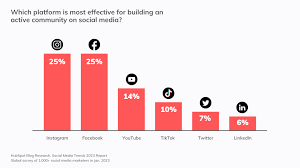
    Community truly wins the social media game. By focusing on genuine connection and shared experiences, you build lasting engagement that outshines fleeting trends. This approach fosters loyalty and organic growth, making your presence robust and meaningful over time.

    What Community on Social Media Really Means

    Community on social media isn’t just a buzzword. It means a group of people who share a common interest. They gather online to talk, share ideas, and support each other.

    Think of it like a friendly club. Everyone feels welcome and valued. They come back because they feel a sense of belonging.

    This group isn’t just following you. They are actively participating. They comment on your posts.

    They share your content with their friends. They might even create their own posts related to your topic. This is the heart of a strong online community.

    It’s built on mutual respect and shared passion. It’s more than just likes and shares. It’s about relationships.

    Why does this matter so much today? In a world filled with noise, people crave real connection. They want to feel heard.

    They want to be part of something. A strong community provides this. It offers a space where people can be themselves.

    They can share their thoughts without fear. This feeling of safety and belonging is powerful.

    Building this kind of group takes time. It doesn’t happen overnight. It requires consistent effort and genuine interest.

    But the rewards are huge. You get loyal fans. You get valuable feedback.

    You build a brand that people trust and love. This is what we mean when we say community wins. It’s the foundation of lasting success.

    My Own Social Media Struggle: The Trend Chaser

    I remember a time when I was obsessed with trends. It was about three years ago. I was trying to grow my little online business.

    Every morning, I’d wake up and check what was hot. Was it a new dance challenge? A viral sound?

    A trending hashtag? I’d spend hours trying to jump on board. I felt like a hamster on a wheel.

    I was running fast but not really going anywhere.

    My content felt scattered. One day it was a silly video. The next day, a serious post.

    My followers must have been confused. I was getting a few likes here and there. But no real conversations.

    No one was sharing my stuff. No one seemed to care beyond a quick glance. It was so frustrating.

    I saw other accounts growing. They seemed to have this magic formula I was missing.

    One afternoon, I was scrolling through comments on a popular creator’s post. It wasn’t about a trend at all. It was about a shared struggle they were having.

    People were flooding the comments with their own stories. They were offering support. They were saying things like, “Me too!” and “Thanks for sharing this.” I felt a pang of envy.

    That felt like real connection. My own comments sections were usually silent crickets.

    That was a turning point. I realized I was chasing ghosts. I was trying to be everywhere and everything to everyone.

    But I wasn’t being authentic. I wasn’t building a real connection with anyone. The trend-chasing approach felt empty.

    It was exhausting and, frankly, not very fun anymore. I decided to try something different. I decided to focus on the people who were actually showing up for me.

    The Trend Trap: Why It Fails Long-Term

    Problem: Constantly chasing viral trends.

    Why it’s tempting: Promises quick, massive reach.

    The reality: Trends are fleeting. They don’t build loyalty.

    Engagement: Often superficial. Likes, not deep connection.

    Effort vs. Reward: High effort, low long-term payoff.

    Your Brand: Can seem inconsistent or desperate.

    The Power of Shared Interest: Finding Your Tribe

    So, how do you find this “tribe” or community? It starts with what you and your audience care about. What are your passions?

    What problems do you solve? What are your unique insights? Your community will gather around these common threads.

    Let’s say you love baking. You don’t just post pictures of cakes. You share tips on making perfect frosting.

    You ask your followers what their favorite flavors are. You might even host a “bake-along” event. Your followers start talking to each other in the comments.

    They share their own baking wins and fails.

    This shared interest is the glue. It makes people feel understood. They see others who love what they love.

    This is incredibly powerful. It transforms passive followers into active members. They become invested in your success and the success of the group.

    Think about it in terms of your own online habits. You probably follow accounts that align with your hobbies. You might join Facebook groups related to your interests.

    You subscribe to newsletters that speak to your values. This is human nature. We seek out places and people who “get” us.

    On social media, this means being clear about your niche. Don’t try to be a fitness guru one day and a finance expert the next. Unless, of course, those two things are genuinely connected for you and your audience.

    Stick to what you know and love. This authenticity attracts the right people. These are the people who will become your community.

    Quick Scan: What Makes a Community Thrive?

    • Shared Passion: A common interest or goal.
    • Active Participation: Members engage, not just consume.
    • Mutual Respect: People feel safe and heard.
    • Consistent Value: Regular, relevant content and interaction.
    • Sense of Belonging: Feeling part of something bigger.

    Real-World Scenarios: Community in Action

    You see community winning all the time. Look at gardening groups online. People share pictures of their triumphs and their pests.

    They ask for advice when a plant is wilting. They offer encouragement when someone shares a sad, bare patch of soil. It’s a constant back-and-forth of help and support.

    Consider book clubs on social media. Members discuss characters. They share their favorite quotes.

    They recommend other books. It’s a space for deep dives into literature. It’s not just about posting a cover photo.

    It’s about shared reading experiences.

    Even brands that sell physical products build communities. Think about a popular brand of running shoes. Their social media might feature customer stories.

    They might host virtual runs or challenges. Their followers share their running routes. They post their finish times.

    They cheer each other on. This fosters incredible loyalty. Customers become advocates.

    What ties these examples together? They aren’t just broadcasting. They are facilitating conversations.

    They are creating a space for interaction. They understand that their audience has valuable insights. They empower their audience to share and connect with each other.

    This creates a network effect. The community grows because members feel valued and connected.

    It’s also about meeting people where they are. If your audience is on Instagram, focus there. If they are on TikTok, build your presence there.

    Don’t try to be everywhere. Choose the platforms where your target community hangs out. Then, focus on building genuine connections on those platforms.

    When “Normal” Community Interaction Happens

    It’s important to know what normal community interaction looks like. This helps you spot it and encourage it. It’s when people ask questions.

    They aren’t just asking you. They are asking other members too. You’ll see comments like, “Has anyone else tried this?” or “What do you guys think about.?”

    It’s when people share their own experiences. They might reply to a post with their own story. They’ll say, “This happened to me too!” or “I found this tip helpful when.” They aren’t waiting for you to prompt them.

    They are proactively contributing. This is a sign of a healthy, engaged group.

    You’ll also see members defending each other. If someone posts a slightly naive question, another member might gently guide them. They’ll offer support rather than criticism.

    This creates a safe space. It shows that the community values everyone. Even beginners feel welcome to ask for help.

    Another sign is user-generated content. People start creating their own posts inspired by your content. They might tag you.

    They might use a specific hashtag you’ve promoted. This is gold. It means your community is actively participating.

    They are becoming co-creators.

    Think about how you feel when you’re part of a supportive group. You feel more confident. You feel more informed.

    You feel less alone. This is the feeling you want to cultivate. When people feel this way, they stick around.

    They become your most valuable assets. They become your biggest cheerleaders.

    Community Engagement: Normal vs. Concerning

    Normal Engagement

    • Questions asked to the group.
    • Sharing personal stories.
    • Offering peer support.
    • User-generated content.
    • Enthusiastic participation.

    Concerning Engagement

    • Only likes, no comments.
    • Very few active members.
    • Spam or irrelevant posts.
    • Negative or hostile interactions.
    • Complete silence after posts.

    Building Your Own Engaged Community

    So, how do you actually build this? It starts with consistency. Post regularly.

    Don’t just post when you feel like it. Have a schedule. Your audience needs to know when to expect content from you.

    Engage back! This is huge. When someone comments, reply to them.

    Like their comment. Ask them follow-up questions. Make them feel seen.

    This is crucial. It shows you’re not just talking at people. You’re talking with them.

    This simple act can turn a passive follower into an active member.

    Ask questions in your posts. Don’t just state facts. Pose questions that spark thought and discussion.

    “What’s your biggest challenge with X?” or “What’s your favorite way to do Y?” Make it easy for people to respond.

    Run polls and Q&As. These are great for quick engagement. They also give you insights into what your audience wants.

    Polls are simple. Q&As allow for more detailed interaction. Use stories for this.

    They are perfect for informal chats.

    Create exclusive content for your community. This could be a private group, a special live session, or early access to something. It makes them feel special.

    It gives them a reason to be deeply invested.

    Encourage user-generated content. Run contests. Create a hashtag.

    Feature your followers. When you highlight your community, they feel appreciated. They are more likely to create more content for you.

    Be human. Share your own struggles and triumphs. Be relatable.

    People connect with people, not just logos or brands. Your imperfections make you more approachable. This encourages others to share theirs.

    Monthly Social Media Trends: Beyond the Daily Buzz

    While daily trends are fleeting, monthly patterns offer a different perspective. These are less about a specific meme and more about seasonal shifts or recurring events. Understanding these can help you plan content that feels relevant and timely.

    Think about holidays. Every month has its share. January brings New Year’s resolutions and winter themes.

    February has Valentine’s Day and Black History Month. March might bring St. Patrick’s Day and the start of spring.

    April has Earth Day and Easter. You get the idea.

    These aren’t just one-off events. They influence people’s moods, interests, and buying habits. For example, in the fall, people might be interested in cozy home content, back-to-school tips, or preparing for holidays.

    In the summer, outdoor activities, travel, and lighter topics often take center stage.

    Businesses and creators can tap into these monthly themes. If you sell coffee, August might be about iced coffees and refreshing drinks. December could be about warm, spiced lattes and holiday gift ideas.

    This kind of planning helps you create content that resonates with the current season or mood.

    It also allows for deeper dives. Instead of just jumping on a daily trend, you can create a series of posts or a campaign around a monthly theme. This builds more sustained engagement.

    It shows you’re thoughtful about your content. It feels less random and more curated.

    Monthly Theme Ideas

    • January: New Beginnings, Health & Wellness, Organization
    • February: Love, Relationships, Black History Month, Winter Comforts
    • March: Spring Awakening, Luck, Women’s History Month
    • April: Earth Day, Renewal, Outdoor Activities
    • May: Mother’s Day, Graduation, Outdoor Season Prep
    • June: Summer Solstice, Pride Month, Outdoor Fun
    • July: Independence Day, Summer Vacation, Heat Relief
    • August: Back to School, End of Summer, Travel
    • September: Fall Harvest, Back to Routine, Cozy Vibes
    • October: Halloween, Autumn Colors, Harvest Festivals
    • November: Gratitude, Thanksgiving, Early Holiday Prep
    • December: Holidays, Winter Solstice, Reflection, Gifting

    What Monthly Themes Mean for Your Strategy

    Integrating monthly themes into your social media strategy can be a game-changer. It gives you a framework for planning. It helps you stay relevant without chasing every tiny daily trend.

    First, identify the themes relevant to your niche. If you are in the pet industry, National Pet Month (May) is obvious. But also consider broader themes like “Summer Adventures with Pets” or “Cozy Winter Pet Care.”

    Next, map out your content calendar. For each month, brainstorm 3-5 key ideas related to the theme. This could be blog posts, videos, live sessions, or simple engaging questions for your followers.

    Don’t forget about user-generated content. Encourage your community to share their experiences related to the monthly theme. For instance, during an “Outdoor Adventures” theme, ask people to share photos of their trips.

    Feature the best ones.

    This approach allows for more in-depth storytelling. Instead of a single post about Valentine’s Day, you could have a week of content about “Nurturing Relationships” or “Self-Love.” This gives your audience more value and keeps them engaged for longer.

    Also, consider how these themes align with current events or cultural conversations. Sometimes a monthly theme can be amplified or adapted based on what’s happening in the world. This shows you’re aware and responsive.

    The key is to be authentic. Don’t force a theme if it doesn’t fit your brand or audience. Choose themes that genuinely align with your values and what you offer.

    This makes your content feel natural and impactful.

    The Monthly Engagement Pulse: Tracking What Works

    So, you’ve planned your monthly themes and content. Now, how do you know if it’s working? You need to track your engagement pulse.

    This means looking at your social media analytics regularly.

    What are you tracking? Start with the basics. Look at likes, comments, shares, and saves.

    Are these numbers going up over time? Which types of posts are getting the most interaction? This tells you what your audience resonates with.

    Pay attention to comments. Are people having conversations? Are they asking questions?

    Are they sharing their own insights? The quality of comments is often more important than the quantity. A few thoughtful comments are better than dozens of “great post!” replies.

    Track your follower growth. While not the only metric, steady growth indicates you’re reaching new people. Are these new followers engaging?

    Are they becoming part of your community?

    Consider watch time for videos and click-through rates for links. These metrics show deeper engagement. Are people spending time with your content?

    Are they taking the next step you want them to?

    The best way to do this is to set aside time each week or at the end of the month to review your data. Look for patterns. What content performed best during a specific monthly theme?

    What type of post consistently gets the most comments?

    Use this information to refine your strategy. If posts asking open-ended questions always get a lot of comments, do more of those. If certain visual styles perform better, lean into them.

    This data-driven approach ensures you’re not just guessing. You’re making informed decisions.

    Engagement Metrics to Watch

    Key Metrics

    • Likes
    • Comments
    • Shares
    • Saves
    • Follower Growth

    Deeper Insights

    • Comment Sentiment
    • Video Watch Time
    • Click-Through Rates
    • Reach vs. Engagement Rate
    • User-Generated Content Volume

    The Community Wins Daily, The Trend Briefly

    Let’s bring this all together. Daily trends are like fireworks. They are bright, exciting, and short-lived.

    They can grab attention for a moment. But they don’t build anything lasting. They don’t foster loyalty.

    They don’t create a sense of belonging.

    Community, on the other hand, is like a well-tended garden. It requires consistent care. It needs the right conditions to grow.

    But over time, it yields beautiful, lasting results. It provides a steady source of nourishment and connection.

    When you focus on building a community, you’re investing in the long term. You’re creating a space where people feel valued. They feel heard.

    They feel like they belong. This is what truly drives engagement. This is what makes people stick around.

    Daily trends might give you a temporary spike in views. But a strong community gives you sustained engagement. It gives you loyal advocates.

    It gives you genuine feedback. It gives you a solid foundation for growth that can withstand the ever-changing landscape of social media.

    So, instead of chasing the next fleeting trend, focus on cultivating your community. Be authentic. Be consistent.

    Engage with your audience. Encourage them to connect with each other. This is how you win.

    This is how you build something that truly matters online.

    Remember that sense of connection I was missing? I found it by shifting my focus. I started asking my audience more questions.

    I replied to every comment, even the small ones. I shared more of my own process, the good and the bad. Slowly, conversations started happening.

    People began sharing their own thoughts and experiences. It felt like magic, but it was just people connecting. That’s the power of community.

    It’s what makes social media worthwhile.

    Frequently Asked Questions About Community & Trends

    Is it ever okay to jump on a trending topic?

    Yes, it can be. If a trending topic genuinely aligns with your niche and values, and you can add a unique perspective or relevant contribution, it can be a good way to increase visibility. However, it should not be your primary strategy.

    Always ensure it serves your community and brand, not just the trend itself.

    How do I encourage my followers to interact with each other?

    Pose questions that invite discussion among followers. Feature follower content and tag them, encouraging others to check out their work. Create opportunities for shared experiences, like challenges or themed discussions.

    Responding to comments and then asking a follow-up question can also prompt further interaction.

    What’s the difference between an audience and a community?

    An audience is a group of people who consume your content. A community is a group of people who actively participate, interact with each other, and feel a sense of belonging around a shared interest or with your brand. They contribute value, not just consume it.

    How often should I check my social media analytics?

    It’s wise to check your analytics at least weekly to spot immediate trends and understand daily performance. A deeper review at the end of each month or quarter is essential for analyzing longer-term patterns, evaluating monthly theme effectiveness, and refining your overall strategy.

    Can small businesses build strong online communities?

    Absolutely! Small businesses often have an advantage because they can be more personal and authentic. Focusing on niche interests, providing excellent customer service, and actively engaging with their smaller, dedicated follower base can build a very strong, loyal community.

    How do I deal with negative comments while fostering a community?

    Address legitimate concerns respectfully and professionally. For trolls or spam, delete and block. Your goal is to maintain a safe and positive environment.

    Sometimes, a community member will even step in to defend the group’s positive atmosphere, which is a great sign of a strong community.

    Building Your Lasting Online Presence

    Ultimately, building a thriving community is about genuine connection. It’s about creating a space where people feel seen, heard, and valued. This focus on people, not just fleeting attention, is what builds lasting success online.

    It’s a marathon, not a sprint. Your community is your most valuable asset.

  • Side Project Daily Social Media Trend Brief Full Business

    A daily social media trend brief for your side project means understanding what people are talking about right now. It helps you share content that connects, grow your audience faster, and make your project stand out in a busy online world. Think of it as your secret map to online success.

    Understanding the Daily Social Media Trend Brief

    What exactly is a daily social media trend brief? Think of it as a quick summary. It tells you what’s popular on social media platforms today.

    This includes popular topics, hashtags, sounds, and even memes. For your side project, this isn’t just fun trivia. It’s a powerful tool.

    Knowing what’s trending helps you make your content relevant. When you talk about things people are already interested in, they are more likely to notice you. This can lead to more likes, shares, and followers.

    It’s like catching a wave instead of fighting the current.

    Why does this matter so much for a side project? Often, side projects have limited time and resources. You can’t be everywhere or talk about everything.

    A trend brief helps you focus your efforts. You can pick trends that align with your project’s goals and audience. This smart approach saves time and boosts your impact.

    We’ll explore where to find these trends. We will also cover how to analyze them. Then, we will look at ways to use them without sounding forced.

    The goal is to make your side project shine.

    The “Why” Behind Following Trends

    Let’s talk about why following social media trends is so important, especially when you have a side project. It’s not just about being “cool.” There are real benefits. When people see your content related to something they are already discussing, they feel a connection.

    This connection is key. It makes them more likely to engage with your posts. They might comment, share, or even click through to learn more about your side project.

    This is how you start to build a community around your idea. A community is gold for any new venture.

    Think about it like this. If you’re selling handmade dog toys and suddenly a major dog event is trending, that’s your chance. Posting about the event and subtly linking it to your products makes sense.

    It feels natural to people scrolling through posts about that event. Your content gets seen by more people who already care about dogs.

    It also helps you understand your audience better. What do they laugh at? What do they share?

    What do they get passionate about? Trends offer clues. By observing what resonates, you learn what your potential customers or followers value.

    This insight helps you shape your project and its message over time.

    Plus, for side projects, visibility is everything. You don’t have a big marketing budget. Riding the wave of a trend can give you a massive visibility boost for free.

    It’s a way to get noticed without spending a fortune. This is a crucial advantage when you’re starting out.

    My Own Experience with Trends

    I remember when I was working on a small online course about urban gardening. It was my passion project, born out of a tiny balcony with way too many herbs. I spent weeks creating content, posting photos of my plants, and writing tips.

    But my reach was tiny. It felt like shouting into a void.

    Then, one week, a specific type of simple, no-fuss gardening hack went viral on TikTok. It was just a quick video showing how to reuse old coffee grounds. It wasn’t earth-shattering, but it was practical and relatable.

    People loved it. I felt a flicker of an idea.

    I quickly made a short video. It showed how I used coffee grounds to feed my basil plants, just like the trending hack. I used a similar sound and a few trending hashtags.

    Within 24 hours, my little video had hundreds of views. People started asking questions about my basil and other plants. They were engaging!

    It wasn’t just a one-off. This experience taught me a huge lesson. I realized I didn’t need to invent the wheel.

    I could take what was already capturing people’s attention and weave my project into it. It felt a bit like cheating at first, but it was incredibly effective. It gave my urban gardening tips a much wider audience than I ever imagined, purely by tapping into what was already buzzing online.

    How to Spot Emerging Trends

    Listen Closely: Pay attention to what people are talking about on social media. Look at trending topics and hashtags on platforms like Twitter (now X), TikTok, and Instagram.

    Watch for Patterns: Do you see a lot of similar posts or discussions? This could be the start of a trend. Look for recurring phrases or ideas.

    Explore Different Platforms: Trends can start on one platform and spread. What’s big on TikTok might appear on Instagram Reels or YouTube Shorts later.

    Use Trend Spotting Tools: There are tools that can help you identify trending content, though often, simple observation is enough for a side project.

    Where to Find Your Daily Trend Brief

    So, where do you actually find these trends? It’s not like there’s a single “Official Trend Report” website for everyone. You have to know where to look.

    Think of it as your daily social media scavenger hunt. Most of the information is right there if you know where to point your attention.

    Platform-Specific Trends: Each social media platform has its own way of showing you what’s hot. On TikTok, check the “For You” page and the “Discover” tab. On Instagram, the “Explore” page is your friend.

    Twitter (X) has its “Trends” section, though it can be very news-focused. Facebook also has trending topics, often shown in the news feed.

    Hashtag Analysis: Look at the hashtags that are being used frequently. Are there any new ones popping up? Are there specific types of hashtags gaining traction?

    For instance, if #EcoFriendlyLiving is suddenly everywhere, and your project relates to sustainability, that’s a signal.

    Content Creators: Follow influencers or creators who are already good at tapping into trends. See what they are doing. You don’t have to copy them, but you can learn from their approach.

    Notice what kind of content gets high engagement for them.

    News and Culture: Sometimes trends are sparked by bigger news events or cultural moments. Keep an ear to the ground on what’s happening in the world. This can give you context for why certain things are trending.

    Your Audience: Don’t forget to listen to your own followers! What are they talking about in the comments of your posts? What questions are they asking?

    This is often the most direct way to find trends relevant to your specific niche.

    It’s about building a habit. Spend 10-15 minutes each day just browsing. See what catches your eye.

    Don’t overthink it at first. Just absorb what’s out there.

    Quick-Scan Trend Checklist

    • Videos: What kind of short videos are popular?
    • Sounds: Are there catchy songs or audio clips everyone is using?
    • Challenges: Are people participating in any specific online challenges?
    • Memes: What funny or relatable images or jokes are circulating?
    • Topics: What subjects are getting a lot of discussion?
    • Questions: What questions are people asking each other?

    Analyzing Trends for Your Side Project

    Finding trends is only half the battle. The real magic happens when you analyze them. You need to figure out if a trend is a good fit for your side project.

    Not every popular thing is relevant, and trying to force it can backfire. Think critically.

    First, ask yourself: Does this trend align with my project’s core message? If your side project is about mindfulness, a trend that’s all about chaotic humor might not be the best fit. Look for trends that naturally complement what you’re trying to achieve. It should feel like a continuation of your story, not a jarring interruption.

    Second, consider: Who is talking about this trend? Is it your target audience, or a completely different group? If a trend is popular with teenagers but your side project is aimed at retirees, it’s probably not the right trend to jump on. You want to connect with people who are likely to be interested in what you offer.

    Third, think about: How can I put my own spin on this? Simply copying a trend rarely works. The best approach is to add your unique perspective. If everyone is doing a dance, maybe you can do it while showing off your product.

    Or if there’s a trending question, answer it with insights from your project’s area of expertise.

    Also, consider the lifespan of the trend. Some trends blow up and disappear in a day. Others can last for weeks or even months.

    For a side project, it’s often best to focus on trends that have some staying power, or that you can react to quickly before they fade.

    Finally, gauge the sentiment. Is the trend positive, negative, or neutral? You generally want to align with positive or neutral trends.

    Getting involved in something negative could harm your project’s reputation. Look for trends that evoke good feelings or spark helpful conversations.

    Trend Fit Assessment Questions

    Relevance: Does it fit my project’s topic?

    Audience: Is my target audience engaging with it?

    Authenticity: Can I join in naturally?

    Longevity: Will it still be relevant tomorrow?

    Impact: Will it help me reach my goals?

    Integrating Trends Authentically

    This is where many people stumble. They see a trend and jump on it without thinking. This can make your content feel forced or out of place.

    The key word is authenticity. You want to join the conversation, not interrupt it awkwardly.

    Imagine you have a side project selling homemade dog treats. A silly dance trend is huge on TikTok. You could just do the dance.

    But does that connect with dog owners or your treats? Probably not directly.

    Instead, maybe you could adapt the trend. You could show your dog trying to “dance” for a treat. Or you could use a trending sound overlayed on a video of you showing off your new treat flavors.

    It uses the trend but keeps the focus on your project.

    Another tactic is to relate your project to a broader trending topic. If people are talking about “self-care,” and your side project is about creating calming art, you can frame your art as a self-care tool. You’re not doing the exact trend, but you’re tapping into the feeling and interest behind it.

    Use trending sounds or music thoughtfully. Don’t just slap it on any video. Make sure it fits the mood and message of what you’re showing.

    Sometimes a popular audio clip can completely change how people perceive your content.

    Participate in challenges that genuinely align with your niche. If there’s a photography challenge and your side project involves photography, great! If it’s a cooking challenge and you sell kitchen gadgets, that also makes sense.

    If it’s something totally unrelated, skip it.

    The goal is to add value. If you can use a trend to teach something, entertain in a relevant way, or show a different side of your project, do it. If it just feels like you’re jumping on a bandwagon for the sake of it, it’s probably best to let it pass.

    Think of it as adding seasoning to your existing recipe. The recipe is your side project. The seasoning is the trend.

    You use the seasoning to make the dish taste better and more appealing, but the dish is still fundamentally the same.

    Authentic Integration Ideas

    Twist a Trend: Adapt a popular format to your niche.

    Relate to Broader Themes: Connect your project to trending moods or ideas (e.g., self-care, productivity).

    Use Sounds Wisely: Match trending audio to your video’s message.

    Niche-Specific Challenges: Join challenges that fit your project’s area.

    Educational Spins: Use a trend to teach something related to your project.

    Leveraging Trends for Growth

    Once you’ve identified a trend and figured out how to integrate it authentically, it’s time to think about growth. How can these trend integrations actually help your side project expand its reach and connect with more people?

    The most direct benefit is increased visibility. When you use trending hashtags or sounds, your content is more likely to be discovered by people who aren’t already following you. This is how you reach new potential fans, customers, or collaborators.

    This increased visibility can lead to higher engagement rates. Trending content often gets more likes, comments, and shares. This tells the social media algorithms that your content is valuable, which can boost its visibility even further.

    It creates a positive feedback loop.

    Trends can also help you build a community. When you participate in a trending conversation, you invite others to join you. This fosters interaction and can lead to discussions in your comments section.

    People feel more connected when they see you’re part of the same online culture.

    For side projects, this is crucial for validation. Seeing people engage with your content, even through a trend, can be incredibly motivating. It shows you that your project has potential and that there are people out there who resonate with what you’re doing.

    Furthermore, trends can help you drive traffic. If a trend leads people to your profile, they might click on the link in your bio. This could be to your website, your shop, or a sign-up page.

    This is how you convert social media attention into tangible results for your side project.

    Don’t forget about learning opportunities. By analyzing which trend integrations perform best, you learn more about your audience’s preferences. This information is invaluable for planning future content and marketing strategies for your side project.

    You get data from real-world interaction.

    Remember, the goal isn’t just to chase every trend. It’s to strategically use trends that align with your project to gain momentum. Each successful trend integration is a small step forward, building awareness and connection for your side project.

    Trend Impact on Side Projects

    Discoverability: Get seen by new audiences.

    Engagement Boost: More likes, comments, and shares.

    Community Building: Foster interaction and connection.

    Audience Insights: Learn what resonates with people.

    Traffic Generation: Drive visitors to your project’s core pages.

    Momentum: Build awareness and interest over time.

    Potential Pitfalls to Avoid

    While jumping on trends can be super effective, there are definitely some traps you want to steer clear of. Side projects often have less room for error. Making one of these mistakes can actually hurt your visibility more than help it.

    One big pitfall is trend fatigue. This happens when you try to do too much, too fast. If you’re posting about every single trend you see, your feed can start to look chaotic.

    Your audience might get confused about what your side project is actually about. They might stop following because it feels too scattered.

    Another issue is inauthenticity. We touched on this, but it’s worth repeating. If a trend just doesn’t fit your project or your brand’s voice, forcing it will be obvious.

    People can tell when something feels disingenuous. This can damage trust, which is hard to rebuild for a new project.

    Chasing fleeting fads is also a common mistake. Some trends are here today and gone tomorrow. Spending hours creating content for something that will be forgotten by lunchtime is a waste of your precious time.

    Focus on trends that have a bit more substance or that you can react to very quickly.

    Ignoring your core message is another danger. While trends can help you reach new people, they shouldn’t distract from your main purpose. Your side project’s unique value proposition is what will keep people engaged long-term.

    Trends are a vehicle, not the destination.

    Also, be mindful of oversaturation. If a trend becomes too popular, it can be hard to stand out. Millions of people might be doing the same thing.

    You might get lost in the noise. Sometimes a slightly less popular, but still relevant, trend can be a better bet.

    Finally, ignoring negative trends is important. If a trend is associated with controversy, negativity, or simply doesn’t align with your values, stay away. Associating your side project with negative trends can be very damaging.

    Always consider the overall tone and context.

    By being aware of these potential pitfalls, you can navigate the world of trends more effectively. It’s all about making smart, strategic choices that benefit your side project in the long run.

    Common Trend Mistakes to Avoid

    Too Much, Too Soon: Overloading your feed with unrelated trends.

    Forcing It: Using trends that don’t fit your brand voice.

    Short-Lived Fads: Chasing trends that disappear quickly.

    Losing Focus: Forgetting your project’s main purpose.

    Getting Lost: Trying to compete in overly saturated trends.

    Bad Associations: Aligning with negative or controversial topics.

    Measuring the Impact of Trend Integration

    You’ve started using trends to boost your side project. That’s fantastic! But how do you know if it’s actually working?

    You need to track your progress. This helps you understand what’s effective and where to focus your energy. It’s about seeing the results of your efforts.

    Start by looking at your reach and impressions. Are more people seeing your content since you started integrating trends? Social media platforms provide analytics that show you how many unique users saw your posts and how many times your content was displayed.

    A jump in these numbers is a good sign.

    Next, check your engagement rate. This is the number of likes, comments, shares, and saves you get divided by your reach. If your engagement rate is going up, it means people are not just seeing your content, but they are interacting with it more.

    This is a strong indicator that your trend integrations are resonating.

    Pay attention to follower growth. Are you gaining more followers consistently? While follower count isn’t everything, steady growth suggests that your content, including your trend-related posts, is attracting new people to your project.

    Compare your follower growth rate before and after you started using trends.

    Look at website or link clicks. If your goal is to drive traffic away from social media to your project’s website or store, track how many clicks you’re getting. Are people clicking the link in your bio more often after you post trend-related content?

    This shows direct impact on your project’s goals.

    Consider comments and DMs. What are people saying? Are they asking more questions about your project?

    Are they mentioning the trend you used? This qualitative feedback is incredibly valuable. It tells you if you’re sparking genuine conversations.

    Finally, monitor conversions if applicable. If your side project involves selling something or getting sign-ups, track if there’s an increase in those actions. This is the ultimate measure of success for many projects.

    Did the trend-driven traffic turn into actual customers or users?

    Use the built-in analytics tools on each platform. Many offer free insights into your performance. Set aside time weekly or bi-weekly to review these numbers.

    This data will guide your future trend strategy, helping you refine your approach and maximize your impact.

    Key Metrics to Track

    Reach & Impressions: How many people see your content.

    Engagement Rate: Likes, comments, shares, saves vs. reach.

    Follower Growth: Your increase in audience size.

    Link Clicks: Traffic driven to your website or other links.

    Direct Feedback: Comments and messages from your audience.

    Conversions: Sales, sign-ups, or desired actions.

    Future-Proofing Your Trend Strategy

    Social media is always changing. Trends pop up, evolve, and fade faster than ever. How can you make sure your approach to trends stays effective over time, even as the platforms and user behaviors shift?

    It’s about building a flexible and adaptable strategy.

    One way is to focus on evergreen themes within trends. While a specific meme might die out, the underlying theme (e.g., relatable struggles, humor about daily life, learning new skills) might persist. If you can tie your project to these broader, enduring themes, your content will have more lasting appeal.

    Build a strong brand identity that transcends trends. When your project has a clear voice, personality, and set of values, it can weather the storm of changing trends. People will follow you because they like you and what you stand for, not just because you’re riding a wave.

    Diversify your content. Don’t rely solely on trend-based content. Mix it with your original, foundational content that showcases your project’s core value.

    This ensures that even if a trend fades, your audience still has reasons to stay engaged with your unique offerings.

    Stay adaptable and willing to experiment. What works today might not work tomorrow. Be open to trying new platforms, new content formats, and new ways of integrating trends.

    What you learn from one trend can inform your approach to the next, even if it’s on a different platform.

    Listen to your audience constantly. They are your best guide. As trends evolve, your audience’s interests will too.

    Pay attention to their conversations, their questions, and their feedback. They will often signal what’s coming next or what they want more of.

    Consider the underlying human emotions behind trends. Trends are often driven by shared feelings: humor, curiosity, a desire for connection, aspiration, or relief. Understanding these emotions can help you predict or create content that will resonate, even before a specific trend emerges.

    Finally, don’t chase every shiny object. Be selective. Prioritize trends that offer the best potential for meaningful connection and growth for your specific side project.

    A consistent, authentic approach to a few well-chosen trends will likely yield better results than a scattered attempt at many.

    Future-Proofing Your Strategy

    Evergreen Themes: Connect to enduring human interests.

    Strong Brand Identity: Be known for who you are.

    Content Diversity: Mix trends with original content.

    Adaptability: Be ready to try new things.

    Audience Focus: Listen to what your followers want.

    Emotional Resonance: Tap into universal feelings.

    Selective Engagement: Focus on the best opportunities.

    The Real-World Impact on Your Side Project’s Success

    So, what does all of this really mean for your side project? It means you have a powerful, often free, way to get your idea in front of the right people. Social media trends, when used wisely, are not just fleeting distractions; they are strategic tools for growth.

    They can help you overcome the initial hurdle of invisibility that many new projects face. By tapping into existing conversations, you can gain visibility without a huge marketing budget. This is a game-changer for individuals working on passion projects or testing new business ideas.

    Trends can also accelerate your learning process. By observing what works, you gain invaluable insights into your target audience’s preferences, language, and interests. This knowledge can shape your project’s development, marketing, and even future product or service offerings.

    Furthermore, authentic trend integration can foster a sense of community around your side project. When people see you participating in their online culture in a genuine way, they feel a stronger connection. This community can become your most loyal supporters and advocates.

    It’s about making your side project feel relevant and timely. In a fast-paced digital world, standing still means falling behind. By staying aware of and intelligently engaging with trends, you ensure your project remains fresh and appealing to a wider audience.

    Ultimately, a well-executed daily social media trend brief strategy can lead to tangible results: more followers, increased engagement, higher website traffic, and even direct sales or sign-ups. It’s about smart, consistent effort that builds momentum over time. It helps your side project move from a hidden gem to something people are actively talking about and engaging with.

    When to Worry About Trends

    While trends can be your friend, there are times when you should definitely be cautious. For a side project, these moments are critical to navigate carefully. You don’t want to create more problems than you solve.

    One sign to worry is if you feel pressured to participate. If you’re forcing yourself to join a trend that feels completely unnatural or uncomfortable, it’s probably not the right move. Your gut feeling is often a good indicator of authenticity.

    Another red flag is if a trend involves controversial topics or negativity. Jumping into a heated debate or a trend that has a lot of backlash can quickly harm your project’s reputation. It’s better to observe from a distance and stay neutral.

    Be wary if your audience doesn’t seem to be engaging with the trends you’re trying to use. If you post something trending and get zero likes or comments, it might mean the trend isn’t resonating with your specific followers, or your integration isn’t hitting the mark.

    Also, worry if you are spending too much time on trends. For a side project, your time is incredibly valuable. If you find yourself spending hours every day trying to find and create trend content, you might be sacrificing time that could be better spent on the core development of your project.

    Consider if the trend is overshadowing your project. If people only talk about the trend you used and not your actual side project, that’s a problem. Your trend content should ideally serve as a gateway to learning more about what you offer, not a replacement for it.

    Finally, if you see negative sentiment or backlash directed towards a trend, it’s best to avoid it. Your goal is to build positive associations with your side project, not to attract negative attention.

    By paying attention to these warning signs, you can ensure that your use of social media trends is a net positive for your side project. It’s about making strategic choices that align with your long-term goals and values.

    Quick Tips for Trend Engagement

    Ready to jump in? Here are some super simple, actionable tips to help you get started with social media trends for your side project:

    • Start Small: Don’t try to do everything at once. Pick one platform and one type of trend to experiment with first.
    • Observe First: Spend a few days just watching what’s trending. See what kind of content gets a lot of views and interaction.
    • Use Trending Audio: On platforms like TikTok and Instagram Reels, using popular sounds is an easy way to get your content seen.
    • Join Relevant Challenges: If a challenge fits your niche, participate! It’s a great way to get discovered.
    • Add Your Project’s Spin: Don’t just copy. Find a way to show off your project or your expertise within the trend.
    • Keep It Short and Sweet: Trends often work best in quick, digestible formats. Get to the point fast.
    • Engage with Others: Don’t just post and leave. Comment on other people’s trend content and interact with your audience.
    • Don’t Fear Imperfection: Trends are often about being real and relatable. A little bit of polish is good, but don’t let perfection stop you.

    Trend Engagement Checklist

    Platform: Choose one to start.

    Observation: Watch and learn first.

    Audio: Use popular sounds.

    Challenges: Join relevant ones.

    Unique Angle: Add your project’s touch.

    Brevity: Keep it short.

    Interaction: Talk to people.

    Authenticity: Be real, not perfect.

    Frequently Asked Questions about Daily Social Media Trend Briefs

    What is the fastest way to find out what’s trending today?

    The fastest way is usually to check the “Trends” section on platforms like Twitter (X) or the “Discover” page on TikTok. Also, look at what content is being heavily promoted on Instagram’s Explore page. Quickly scrolling through your main feed can also give you a good sense of current hot topics.

    Can I use trends if my side project is very niche?

    Yes, absolutely! Even niche projects can leverage trends. Look for trends that relate to the broader emotions or interests of your niche audience.

    For example, if you sell vintage books, you might tap into trends about nostalgia, reading habits, or cozy aesthetics. The key is to adapt the trend to your specific audience.

    How often should I check for trends?

    For truly “daily” trends, checking once a day for about 10-15 minutes is often enough. Some trends emerge and disappear within hours. If you’re actively trying to participate, make it a habit to check in the morning or afternoon.

    Consistency is more important than spending hours searching.

    What if a trend is popular, but I don’t understand it?

    If you don’t understand a trend, it’s probably best to steer clear. Authenticity is key, and if you can’t genuinely participate or see how it fits your project, forcing it will likely feel awkward. It’s better to let it pass and find a trend that makes sense to you and your audience.

    How can I make sure my trend content doesn’t get lost?

    To avoid getting lost, always try to add your unique perspective or link it directly back to your project. Use relevant hashtags beyond just the trending ones. Engage with other users participating in the trend.

    High-quality content that offers a clear message or value will always stand out more.

    Is it okay to use older trends if they fit my project?

    Generally, it’s best to focus on current trends for maximum reach. However, if an older trend genuinely aligns with your project’s core message and your audience is still engaging with that theme, you might be able to bring it back. Be cautious; older trends can sometimes feel dated if not handled carefully.

    Conclusion

    Navigating the world of social media trends for your side project doesn’t have to be overwhelming. By understanding where to look, how to analyze what you find, and most importantly, how to integrate trends authentically, you can unlock significant growth. It’s about smart, consistent effort that connects you with more people and makes your project shine.

  • Roi Investing Daily Social Media Trend Brief Real Numbers

    It’s tough staying on top of social media trends. You hear about new things all the time. People talk about “ROI investing daily.” What does that even mean?

    And how does it affect what you do online? This can feel confusing. You want to know if your efforts are paying off.

    This guide breaks it down. We look at real numbers. We explain what matters for your social media.

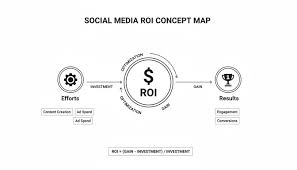
    The core idea of daily social media ROI investing is measuring the value you get back each day from your social media activities. This involves tracking costs against benefits to understand if your efforts are profitable over short timeframes. It’s about smart, ongoing adjustments.

    Understanding Daily Social Media ROI Investing

    Social media ROI means Return on Investment. It shows how much you get back for what you put in. For investing, this is about money.

    With social media, it’s broader. It can be sales, leads, or brand awareness. Daily social media ROI investing looks at this day by day.

    It’s not just once a year. It’s about seeing progress in short bursts.

    Think about your time and money. You spend hours posting. You might pay for ads.

    ROI helps you see if that time and money are worth it. Are you getting more customers? Is your brand known better?

    Daily tracking helps you see patterns faster. It’s like checking your stocks every day. You see ups and downs.

    You can react quicker.

    This daily look helps you tweak your approach. Maybe one type of post does well on Monday. But another shines on Friday.

    Knowing this daily helps you plan better. You use your resources where they give the most back. It makes your social media work harder for you.

    It’s a smarter way to use your online presence.

    Why Daily Tracking Matters for Your Social Media

    Why focus on daily? Because trends change fast. What works today might not work tomorrow.

    Daily checks let you adapt quickly. You can see if a new campaign is hitting home. Or if an old strategy is losing steam.

    This speed is a big advantage. It keeps your social media fresh and effective.

    Imagine a sale you’re running. You announce it on social media. Daily tracking lets you see if people are clicking.

    Are they buying? If not, you can adjust your ads or posts right away. You don’t wait a week.

    This saves you money and lost opportunities. It’s about being nimble and smart.

    This also builds trust. When you respond quickly to engagement, people notice. If you see a question and answer it the same day, it feels good.

    It shows you care. This daily interaction builds a stronger community. It makes people feel heard and valued.

    That’s a huge win for any brand.

    The “Investing” Angle: Beyond Just Spending

    When we say “investing” in social media, it’s different from just spending. Spending is putting money out. Investing is putting money (or time) out with a plan to get more back.

    Daily social media ROI investing means you’re actively managing that plan every day.

    You’re not just posting and hoping. You’re watching. You’re analyzing.

    You’re making small changes. This could be shifting ad spend. Or trying a different hashtag.

    Or changing the time you post. These aren’t big overhauls. They are small, smart moves based on daily data.

    It’s like a gardener tending their plants daily.

    This approach makes your social media a growth engine. It’s not a cost center. It’s a place where you actively build value.

    You’re building relationships. You’re increasing brand loyalty. You’re driving sales.

    All these things contribute to your overall business health. And doing it daily makes it more effective.

    Real Numbers: What to Track Daily

    To measure daily ROI, you need to track specific numbers. These are the “real numbers” that tell the story. Here’s what to focus on:

    Daily Social Media Metrics to Watch

    • Engagement Rate: Likes, comments, shares per post.
    • Reach and Impressions: How many people see your content.
    • Click-Through Rate (CTR): How many click on your links.
    • Website Traffic from Social: Visitors arriving from your social posts.
    • Conversion Rate: How many visitors from social media complete a goal (e.g., buy, sign up).
    • Cost Per Click (CPC) / Cost Per Mille (CPM): For paid ads.
    • Follower Growth: Net new followers gained.
    • Mentions and Sentiment: What people are saying about your brand.

    These numbers give you a clear picture. Are people interacting? Are they coming to your site?

    Are they buying? The cost of your ads is also key. You compare what you spend daily to what you get back daily.

    For example, if you spend $50 on ads today and get 10 sales worth $20 each ($200 total), your ROI is good. That’s $200 back for $50 spent. But if you spend $50 and get only 2 sales ($40 total), your ROI is low.

    This daily insight lets you adjust your ad budget or targeting.

    Tracking sentiment is also vital. Are people happy with your brand? Or are they complaining?

    A flood of negative comments can signal a problem. You need to know this fast. This daily check on brand perception is super important.

    Calculating Your Daily Social Media ROI (A Simple Look)

    Calculating ROI doesn’t have to be scary. For a simple daily view, you can use this idea:

    Daily Gain from Social Media (Sales Revenue, Lead Value) minus Daily Cost of Social Media (Ad Spend, Tool Costs, Time Value) divided by Daily Cost of Social Media.

    Let’s break that down. Daily Gain is what you earned that day directly from social efforts. This might be sales from social media ads.

    Or the estimated value of leads you got. This is the tricky part. You need to link social activity to revenue.

    Daily Cost is easier. It’s the money you spent on ads today. It’s also the cost of your time.

    If you spend 2 hours on social media and your hourly rate is $25, that’s $50 in time cost. Add any tool subscriptions you use daily.

    Let’s say:

    Daily ROI Example

    Daily Gain: $200 (from sales linked to social media posts)

    Daily Cost: $75 ( $50 ad spend + $25 value of your time)

    Calculation: ($200 – $75) / $75 = $125 / $75 = 1.67

    This means for every $1 you spent, you got $1.67 back. That’s a good daily ROI.

    If the number is less than 1, you’re spending more than you’re earning. That’s a sign to change things. If it’s negative, you’re losing money.

    You need to act fast. Daily tracking makes these quick adjustments possible.

    Common Pitfalls in Daily ROI Tracking

    While daily tracking is great, people often make mistakes. One big one is not tracking accurately. Are you sure the sales came from social media?

    Or could they have come from somewhere else?

    Another issue is focusing on the wrong numbers. Likes are nice, but do they lead to sales? You need to connect social activity to business goals.

    Vanity metrics like follower count alone don’t show profit. They show reach, but not necessarily impact.

    Some people track costs incorrectly. They forget to add the value of their time. Or they only count ad spend.

    Your time is a valuable resource. When you spend hours on social media, that’s an investment. You need to factor that in to see the true ROI.

    Finally, some get discouraged. If one day’s ROI is low, they give up. But social media is a marathon, not a sprint.

    You need to look at trends over time. Daily numbers are a snapshot. You need to see the whole picture.

    A bad day doesn’t mean your strategy is broken. It might just be an off day.

    Bridging Social Media Activity to Business Outcomes

    The hardest part of social media ROI is linking daily actions to real business results. This is where good tracking tools come in. Google Analytics is your friend.

    It can tell you how much traffic social media sends to your website. And what those visitors do.

    You can also use UTM parameters. These are codes you add to your links. They tell Google Analytics exactly where traffic came from.

    Was it Facebook? Instagram? A specific campaign?

    This helps you attribute sales and leads more accurately.

    For e-commerce, many platforms offer direct integrations. Shopify, for example, can often tell you which social channels drove sales. This direct connection is gold.

    It makes your daily ROI calculation much more precise.

    Even for brands that don’t sell directly online, there are ways. If your goal is brand awareness, you might track mentions. Or sentiment analysis.

    Higher positive mentions might correlate with more inquiries. You need to define what success looks like for your business.

    How Daily Data Informs Strategy Shifts

    When you see daily numbers, you can make quick, smart shifts. Let’s say your Instagram Reels are getting huge reach today. But your Facebook posts are falling flat.

    You can then decide to put more effort into Reels. Maybe boost your best Reels with a small ad budget.

    This daily insight helps you allocate resources wisely. You stop spending time and money on what’s not working. You double down on what is working.

    This makes your social media efforts much more efficient.

    It also helps you test ideas. You can try a new content format or a different call to action. Then, check the numbers tomorrow.

    Did it work? If yes, great. If no, learn from it and try something else.

    This constant testing and learning cycle is key to mastering social media ROI.

    Contrast: Normal vs. Concerning Daily Social Media Trends

    Normal Trends

    Steady Follower Growth: A few new followers each day.

    Consistent Engagement: Likes and comments on most posts.

    Moderate Website Clicks: Visitors coming to your site daily.

    Positive or Neutral Sentiment: Mostly good feedback.

    Concerning Trends

    Sudden Follower Drop: Losing followers rapidly.

    Zero Engagement: No likes or comments for days.

    High Ad Costs, Low Clicks: Paying a lot for few results.

    Negative Sentiment Spike: Lots of complaints or bad reviews.

    Seeing a sudden drop in engagement? That’s a concerning trend. It might mean your content is stale.

    Or a competitor launched something big. You need to investigate. This daily vigilance is what separates successful social media strategies from the rest.

    The Role of Time Value in Daily Social Media ROI

    When we talk about investing, we often think of money. But our time is also an investment. If you spend 4 hours a day on social media, that’s a significant cost.

    Let’s say your time is worth $30 an hour. That’s $120 a day you’re investing in social media just through your time.

    So, if you spend $50 on ads and 4 hours of your time ($120), your total daily cost is $170. If that yields $150 in sales, your ROI is negative. You’re losing money.

    This perspective is crucial for true daily ROI tracking.

    It encourages efficiency. Are there tools that can save you time? Can you batch content creation?

    Can you automate some tasks? These are questions that arise when you properly value your time as an investment.

    This is why people use scheduling tools. Or hire social media managers. They are investing to get a better return.

    They are freeing up their own time for other critical tasks. Or they are hiring someone with expertise to do it better and faster.

    Setting Realistic Daily Goals

    It’s easy to get excited about daily ROI. But it’s important to set realistic goals. Not every day will be a massive success.

    Some days will be about building. Others might be about engagement. Others might be about direct sales.

    Instead of a fixed number, aim for consistent improvement. Maybe your goal is to increase your daily engagement rate by 0.5% each week. Or to reduce your cost per click by $0.10 each month.

    These are measurable, achievable goals.

    Think about the customer journey. Someone might see your post today. They might not buy for a week.

    So, a single day’s sale might not show the full impact. Daily ROI is a guide. It helps you stay on track.

    But don’t get fixated on one perfect day.

    Goals should align with your overall business objectives. Are you aiming for rapid growth? Or building a loyal community?

    Your daily goals should reflect these bigger aims. A steady, positive trend over weeks is often more valuable than a single spike.

    Tools to Help With Daily Tracking

    Thankfully, you don’t have to do all this math manually. Many tools can help you track your daily social media ROI.

    Key Tools for Daily ROI Tracking

    Native Platform Analytics: Facebook Insights, Instagram Insights, Twitter Analytics, LinkedIn Analytics provide basic daily data.

    Google Analytics: Tracks website traffic sources, behavior, and conversions from social media.

    Social Media Management Tools: Hootsuite, Buffer, Sprout Social offer combined analytics and reporting.

    Advertising Dashboards: Facebook Ads Manager, Google Ads provide detailed daily ad performance data.

    CRM Systems: Salesforce, HubSpot can help track leads and sales generated from social media.

    Using these tools, you can pull daily reports. You can see trends emerge. Many of these tools can also help you calculate costs and potential returns.

    They simplify the process. This makes daily tracking much more manageable.

    Personal Experience: A Wake-Up Call with Daily Data

    I remember when I first started taking daily ROI seriously. I was running a small online store. I was posting on social media every day.

    I thought I was doing a great job. But sales weren’t what I hoped for.

    I started using a simple spreadsheet. I logged my ad spend each day. I logged the time I spent.

    And I tried to track sales that seemed to come from social media. It was messy at first. But after a week, I saw something alarming.

    My ad spend was moderate. My time investment was high. But the sales directly linked to social media were very low.

    Some days, my “ROI” was negative. I was spending more than I was getting back. It was a bit of a shock.

    That day, I decided to change my strategy. I cut back on broad posts. I focused on specific product features.

    I experimented with different ad creatives. I also started using UTM tags more rigorously. The next week, the numbers started to shift.

    Slowly, my daily ROI began to improve. It was a powerful lesson.

    The “Brief” Aspect: Focusing on What Truly Counts

    The term “brief” in daily social media ROI investing is important. It means don’t get lost in endless data. Focus on the key metrics that drive your business.

    What are your top 2-3 goals? Are they leads, sales, or brand mentions?

    If your main goal is sales, then daily sales figures from social media are crucial. If it’s lead generation, then the number of new leads from social is key. Don’t track everything just because you can.

    This brief focus ensures you’re always looking at the big picture. You’re not getting bogged down in minor details. You’re always asking: “Is this activity contributing to my main goals?” This clarity is vital for making quick, smart decisions.

    It also makes the process less overwhelming. Instead of a huge dashboard of stats, you have a short list. A few numbers that really matter.

    This helps you stay motivated. It keeps you focused on what drives real results for your business.

    Real Numbers in Action: Case Study Snippets

    Let’s look at a couple of quick examples of how daily ROI can play out:

    Case Study Snippet 1: E-commerce Store

    Goal: Increase daily online sales.

    Daily Tracking: Monitored Facebook ad spend vs. sales generated via Facebook Pixel and Google Analytics.

    Insight: Found that video ads performed significantly better than image ads on weekdays. Daily ROI on video ads was 3:1, while image ads were 1:1.

    Action: Shifted daily ad budget to focus on video ads during weekdays.

    Case Study Snippet 2: B2B Service Provider

    Goal: Generate qualified leads daily.

    Daily Tracking: Tracked LinkedIn ad spend vs. leads generated from landing page sign-ups (using UTMs).

    Insight: Noticed that posts targeting specific job titles drove more leads, though at a slightly higher cost per lead. Broader targeting had lower cost but fewer qualified leads.

    Action: Refined LinkedIn ad targeting to focus on key job titles, increasing daily lead quality and overall daily ROI for lead generation.

    These snippets show how specific daily numbers can lead to clear actions. The key is consistent monitoring and a willingness to adapt.

    Future of Daily Social Media ROI

    As social media platforms evolve, so will the ways we measure ROI. AI and machine learning will likely play a bigger role. They can help predict outcomes and optimize campaigns in real-time.

    This means daily ROI tracking could become even more automated and sophisticated.

    We’ll likely see more integrated analytics. It will become easier to connect social media efforts to sales across all channels. The focus will remain on demonstrating value.

    Businesses will continue to demand proof that their social media investments are paying off.

    The trend towards personalized content and experiences will also impact ROI. Measuring how well your personalized efforts resonate with individuals will be key. This might involve tracking micro-conversions and deeper engagement metrics.

    Ultimately, the core principle will stay the same. Understand what you invest daily and what you get back. Use that information to make your social media efforts more effective.

    Daily ROI investing is not a fad. It’s a smart way to manage your online presence.

    When to Re-evaluate Your Daily Strategy

    While daily tracking is important, you don’t need to change your entire strategy every single day. It’s about making small, informed adjustments. However, there are times when a bigger re-evaluation is needed.

    If your daily ROI consistently trends downwards for a week or more, it’s a red flag. This suggests a deeper issue. It might be a change in platform algorithms.

    Or increased competition. Or a shift in audience behavior.

    Also, consider major business changes. Are you launching a new product? Entering a new market?

    These events require you to look at your social media strategy with fresh eyes. Your daily goals and metrics might need to change too.

    Don’t be afraid to pause and rethink. Sometimes stepping back, looking at the bigger picture (monthly or quarterly reports), and then refining your daily approach is the most effective move. It ensures you’re not just reacting to daily fluctuations but steering your social media ship in the right direction.

    Frequently Asked Questions About Daily Social Media ROI

    What is the most important metric for daily social media ROI?

    It depends on your business goals, but for most, it’s the conversion rate or direct revenue generated from social media activities compared to the daily cost. This shows tangible business impact.

    How often should I actually check my social media ROI?

    While the concept is “daily social media ROI investing,” you might not need to pull full reports every single day. Checking key metrics daily (engagement, clicks, ad performance) is smart. For a full ROI calculation, weekly or bi-weekly might be sufficient, depending on your business pace.

    Can I calculate daily ROI for brand awareness?

    Yes, but it’s less direct. You can track metrics like daily increases in brand mentions, positive sentiment, website traffic from branded searches, or follower growth as proxies for awareness. The “return” is harder to quantify directly into dollars each day.

    What if my social media is losing money daily?

    If your daily ROI is negative, it’s a clear signal to adjust. Review your ad targeting, content, calls to action, and budget allocation. Consider pausing underperforming campaigns and testing new approaches. It’s crucial to act quickly to minimize losses.

    How do I account for the value of my time in daily ROI?

    Determine a realistic hourly rate for your time based on your skills or what you’d pay someone else. Then, log the hours you spend on social media tasks daily and add that as a cost to your calculation. This gives a truer picture of your investment.

    What are “vanity metrics” in social media ROI?

    Vanity metrics are numbers that look good but don’t necessarily translate to business goals. Examples include a high follower count without engagement or likes on a post that don’t lead to website visits or sales. Daily ROI focuses on metrics tied to outcomes.

    Conclusion

    Understanding and acting on daily social media ROI is key. It moves you from guessing to knowing. You see what’s working.

    You stop what’s not. This focus on real numbers and quick adjustments makes your online efforts pay off more. It’s about smart, ongoing growth.

    Start tracking today.

  • Lessons Failures Daily Social Media Trend Brief

    Understanding why social media trends fail is key. It helps you avoid common pitfalls. You can learn to spot trends with real potential. This knowledge makes your online efforts smarter. It saves you time and frustration. You’ll build better connections. You’ll see more success.

    What Are Social Media Trend Failures?

    A social media trend is something many people do or talk about online. Think of a dance challenge. Or a specific type of filter.

    It could also be a hashtag. Or a particular way of sharing a story. These trends spread quickly.

    They get lots of attention for a short time. A social media trend failure happens when a trend doesn’t catch on. Or it catches on briefly then disappears.

    It might also fail if it causes more harm than good. Sometimes, a trend looks popular. But it’s really just a small group making noise.

    Many people might see it. But they don’t join in. Or they try it and feel it’s not worth the effort.

    These failures aren’t always obvious. They can be subtle. They can also be quite loud.

    Why do some trends take off like rockets? And why do others just… fall flat? It’s a mix of many things.

    Timing is a big part of it. What feels fresh and new today might feel old tomorrow. The way a trend is presented matters a lot.

    If it’s confusing, people won’t engage. If it feels too much like work, they’ll scroll past. Sometimes, the trend itself is the problem.

    It might be boring. Or it might not connect with what people actually care about. We see this a lot.

    People try to jump on a bandwagon. But they don’t really understand the destination. It’s like getting on a bus without knowing where it’s going.

    My Own Stumble with a Fleeting Trend

    I remember one afternoon last year. I was scrolling through my feed. A new video format was everywhere.

    Everyone seemed to be doing it. It involved showing a series of quick text snippets. Each snippet answered a question about your life.

    It looked easy enough. The text was simple. The questions were lighthearted.

    I thought, “This is fun! People will love seeing this about me.” I spent about an hour. I thought up funny answers.

    I picked out a few good photos. I carefully put it all together. I posted it with a smile.

    Then, I waited. Nothing much happened. A few likes from friends.

    A comment or two. But the trend itself seemed to vanish overnight. The next day, the feed was full of something else entirely.

    It felt like I had just missed the bus. My effort felt wasted. That little feeling of disappointment stuck with me for a bit.

    It made me second-guess what I was posting.

    Why Trends Can Fizzle Out

    Short Shelf Life: Many trends are like lightning. They flash brightly then disappear. Attention spans are short online.

    What’s hot today is forgotten tomorrow.

    Lack of Originality: Sometimes trends are too similar to what came before. People get bored if it feels copied.

    Complexity: If a trend is hard to understand or do, fewer people will try it.

    No Real Value: Some trends offer little to the viewer. They are just noise. People look for connection or information.

    The Anatomy of a Trending Trend

    So, what makes a trend successful? It’s not just luck. There are common threads.

    Successful trends are often simple. They are easy to understand. Anyone can join in.

    Think of a simple hand gesture. Or a short, catchy phrase. They also feel relevant.

    They connect with current events. Or with common feelings. People want to share things they relate to.

    They want to feel part of something bigger. A good trend also has a clear action. What do people need to do?

    Is it a dance? A specific photo pose? A challenge with a clear goal?

    Social media platforms play a big role too. Algorithms show users what they think they’ll like. If a trend gets lots of early engagement, the platform shows it to more people.

    It becomes a snowball effect. The more people see it, the more people join. This is how a small idea can become a worldwide sensation.

    We see this with dance challenges. Or funny audio clips. They get amplified.

    They become something everyone is talking about.

    Common Pitfalls: When Trends Go Wrong

    We’ve all seen them. Trends that seem like a bad idea from the start. Or trends that start okay but quickly go downhill.

    One common pitfall is when a trend is insensitive. It might make fun of a group of people. Or it might seem to ignore important issues.

    People are quick to call this out. They don’t want to be part of something that offends others. This can quickly kill a trend.

    And it should. We need to be mindful of the impact of our online actions.

    Another issue is when a trend feels forced. It’s like someone is trying too hard to be cool. Or trying to sell you something disguised as fun.

    This often backfires. People can spot inauthenticity. They want genuine connection.

    They don’t want to feel manipulated. This is why trends that feel organic often last longer. They come from real people sharing real experiences.

    Trend Pitfall: The “Too Much” Trap

    Too Complex: Instructions are confusing. People give up before they start.

    Too Much Effort: Requires expensive tools or hours of work. Most people can’t commit.

    Too Exclusive: Only a few people have the skills or resources to join.

    Too Similar: Doesn’t offer anything new. Feels like a copycat.

    Lessons from the Trenches: Real-World Examples

    Let’s look at a few examples. Remember the “Ice Bucket Challenge”? That was a huge success.

    It was simple. It had a clear action: dump ice water on yourself. It had a purpose: raise money and awareness for ALS.

    People nominated their friends. This created a chain reaction. It was fun, but it also had a meaningful goal.

    That’s a powerful combination.

    Now, think about a trend that wasn’t so great. Sometimes, challenges ask people to do risky things. Like dangerous stunts.

    Or to share private information. These often get called out quickly by users and platforms. They can lead to harm.

    They show that a trend isn’t just about popularity. It’s also about responsibility. What looks like a fun challenge can have serious consequences.

    Another type of failure is when a trend is just… meh. It doesn’t spark joy. It doesn’t inform.

    It doesn’t connect. It’s like digital filler. People scroll past it.

    It has no lasting impact. These are the trends that don’t make anyone feel anything. They are forgotten the moment you see them.

    They don’t get shared. They don’t create conversation. They are simply missed opportunities.

    Contrast Matrix: Myth vs. Reality

    Myth: All viral trends are good trends.

    Reality: Virality can happen for many reasons, good or bad. Many viral trends are short-lived or even harmful.

    Myth: If a trend is popular, it will work for me.

    Reality: What works for one person or brand may not work for another. Your audience and goals matter most.

    Myth: I need to jump on every trend.

    Reality: Selective participation is key. Focus on trends that align with your message and audience.

    Understanding Your Audience’s Role

    Why do some trends resonate with certain groups? It’s all about the audience. What do they care about?

    What are their interests? What kind of humor do they appreciate? A trend that’s a hit with teenagers might completely miss the mark with people in their 40s.

    Or a trend focused on pets might not interest someone who doesn’t own a pet.

    When we try to jump on a trend, we need to ask: “Is this for my people?” If the answer is no, then it’s probably not worth it. Even if the trend is huge. Trying to force a trend onto an audience that doesn’t connect with it is a recipe for failure.

    It feels unnatural. It feels like you’re not speaking their language. And that’s a quick way to lose their attention.

    Think about it from their perspective. They are scrolling through their feeds. They see something that catches their eye.

    Does it feel like it was made for them? Does it speak to their day? Or does it feel like it’s from another world?

    That moment of connection is what makes a trend stick. Without it, it just passes by.

    The ‘Why’ Behind the Trend: Deeper Motivations

    People don’t just follow trends for fun. There are deeper reasons. Sometimes, it’s about belonging.

    Joining a trend makes you feel part of a community. It’s like wearing the same team colors. You feel a sense of unity.

    This is especially true for online communities.

    Other times, it’s about self-expression. Trends can give people a new way to show who they are. Or who they want to be.

    A dance trend lets you show off your moves. A creative challenge lets you show your artistic side. It’s a creative outlet.

    It helps people define themselves.

    Fear of missing out, or FOMO, is also a big driver. If everyone else is doing it, people don’t want to be left behind. They worry they’ll miss out on the conversation.

    Or the fun. This is a powerful, though sometimes unhealthy, motivation. It pushes people to participate, even if the trend isn’t a perfect fit.

    Quick-Scan Table: Trend Engagement Factors

    Factor Impact on Success Example
    Simplicity High Easy dance moves
    Relevance High Current events humor
    Actionability High Clear challenge goal
    Emotion Medium Funny or inspiring content
    Originality Medium A unique twist on an old idea

    The Dark Side: When Trends Cause Harm

    Unfortunately, not all trends are positive. Some can be actively harmful. We’ve seen trends that encourage dangerous stunts.

    These can lead to serious injuries. Or even death. Platforms and responsible users often try to shut these down quickly.

    But the initial spread can cause damage.

    Other trends exploit people. They might spread misinformation. Or promote harmful stereotypes.

    They can make people feel bad about themselves. Or encourage unhealthy behaviors. These are the trends we should actively avoid.

    And call out when we see them. It’s important to remember that our online actions have real-world consequences. Even if they seem lighthearted at first.

    This is where critical thinking comes in. Before you jump on a trend, ask yourself: Is this safe? Is this kind?

    Does this align with my values? Does it have the potential to hurt someone? If the answer to any of these is no, then it’s best to steer clear.

    Your online presence should be a positive one. Not one that contributes to harm.

    The Unseen Effort: Creating a Trend

    It’s easy to think trends just happen. That they spring fully formed into our feeds. But often, someone put in a lot of work to start it.

    They might have had a great idea. They may have spent time filming. They may have edited carefully.

    They might have shared it strategically.

    Sometimes, creators will seed a trend. They might ask friends or a small group to join in early. This creates initial buzz.

    It makes the trend look like it’s already popular. This can encourage others to join. It’s a way to give a trend a nudge.

    But it still relies on the trend having real appeal once it starts to grow.

    Even if a trend looks simple, the effort behind it can be significant. A catchy soundbite. A funny video.

    It might seem effortless. But often there’s a lot of trial and error involved. The creators likely experimented.

    They may have tried different angles. They are experts in their own right.

    Infographic Style: Trend Lifecycle

    Phase 1: Spark

    A creator has an idea. They share it.

    Phase 2: Ignition

    A few early adopters join. It gets initial shares.

    Phase 3: Spread

    Platform algorithms boost it. More people see it and join.

    Phase 4: Peak

    The trend is everywhere. High visibility.

    Phase 5: Decline

    Interest wanes. New trends emerge.

    Phase 6: Fade

    The trend disappears from main feeds.

    Analyzing Trend Failures: A Practical Approach

    So, how do we actually learn from failures? It starts with observation. When a trend doesn’t work out, don’t just shrug it off.

    Take a moment to think about why. What was missing? Was the message unclear?

    Was it too niche? Did it feel inauthentic?

    Consider the platform too. Some trends do well on TikTok. But they might flop on LinkedIn.

    Or vice versa. Each platform has its own culture. Its own audience expectations.

    A trend needs to fit the environment. If it doesn’t, it’s likely to fail.

    Look at the people who did participate. What did they do? How did they interpret the trend?

    Sometimes, the initial idea is good. But the execution by participants misses the mark. Or it reveals flaws in the original concept.

    Learning from these interpretations can be very useful.

    What This Means for Your Social Media Efforts

    Understanding trend failures helps you become smarter online. Instead of chasing every shiny object, you can be more selective. You can focus your energy on trends that truly align with your goals.

    And with your audience’s interests.

    This means you’ll waste less time. You’ll feel less frustrated. And you’ll likely see better results.

    When you pick trends carefully, your content feels more genuine. It connects better with people. They see you’re not just trying to be trendy.

    You’re trying to share something meaningful.

    It’s about being strategic. Not just reactive. It’s about asking questions before you commit.

    Questions like: Does this trend fit my brand? Will my audience appreciate this? Does it offer value?

    Or is it just noise? Answering these honestly can save you a lot of effort.

    Stacked Micro-Sections: Key Takeaways

    Audience Fit: Always consider if the trend suits your followers.

    Authenticity: Genuine participation builds trust. Forced trends fall flat.

    Value Proposition: What does the trend offer viewers? Entertainment? Information?

    Connection?

    Platform Nuance: Understand where a trend might thrive or falter.

    Ethical Check: Ensure the trend is safe, kind, and responsible.

    When to Let a Trend Go

    It can be hard to let go of an idea. Especially if you’ve already invested time. But sometimes, it’s the smartest move.

    If you see a trend isn’t gaining traction for you. Or if it feels forced. Or if it’s starting to feel old.

    It’s okay to move on.

    Don’t be afraid to pivot. Maybe the trend isn’t working. But the idea behind it could be adapted.

    Or maybe it’s time to create your own content. Content that doesn’t rely on following someone else’s lead.

    The most successful online creators aren’t always the ones who follow trends perfectly. They are often the ones who set them. Or who put their own unique spin on them.

    They understand their audience. They have a strong voice. And they use trends as tools, not as crutches.

    Quick Fixes and Tips for Trend Participation

    If you do decide to join a trend, here are a few tips:

    • Understand the Goal: Why are you doing this trend? What do you hope to achieve?
    • Put Your Own Spin On It: Don’t just copy. Add your personality. Make it yours.
    • Keep it Simple: Make it easy for others to understand and replicate.
    • Check the Vibe: Is it positive and inclusive? Or is it questionable?
    • Don’t Force It: If it feels like a struggle, it probably is.
    • Engage with Others: Comment on and share other people’s versions of the trend.
    • Know When to Stop: If the trend dies down, don’t keep pushing it.

    Frequently Asked Questions About Social Media Trends

    What makes a social media trend go viral?

    Trends go viral when they are simple, relatable, and easy to participate in. They often tap into current events or strong emotions. Platform algorithms also play a big role by showing popular content to more people.

    How can I tell if a trend is a bad idea?

    A trend is a bad idea if it encourages risky behavior, is insensitive to others, spreads misinformation, or seems exploitative. Always ask if it’s safe, kind, and responsible before joining.

    Should I use every trending sound or challenge?

    No, you shouldn’t use every trending sound or challenge. It’s best to pick trends that fit your personal brand or business goals. Trying to force a trend that doesn’t match your audience will likely not work well.

    How long do social media trends usually last?

    Trend lifespans vary greatly. Some last only a few days. Others might be popular for weeks or even months.

    Most trends peak quickly and then fade as new ones emerge.

    What’s the difference between a trend and a fad?

    A trend usually has a broader appeal and may evolve over time. A fad is often more niche and disappears quickly without much lasting impact. Social media trends can sometimes be fads.

    How can I create my own trend?

    Creating your own trend is difficult but possible. It requires a unique, engaging idea. You also need to actively promote it.

    Getting early support from others can help it catch on. Consistency and genuine appeal are key.

    The Takeaway: Learn and Adapt

    Navigating social media trends can feel like a guessing game. But by understanding what makes them succeed or fail, you become a better player. Don’t fear the failures.

    See them as learning opportunities. They show you what doesn’t work. This clears the path for what does.

    Stay curious, stay adaptable, and always keep your audience in mind.

  • Interview Top Performer Daily Social Media Trend Brief

    Understanding what makes a social media post a “top performer” involves looking at engagement, reach, and impact. It’s about identifying content that truly connects with audiences and drives conversation. This guide helps you find and learn from those leading the way in daily social media trends.

    What Are Top Performers in Social Media?

    Top performers on social media are those who consistently create content that resonates. They understand their audience well. This means they know what people want to see and hear.

    They also know how to present it in a way that grabs attention. It’s not just about luck. It’s about skill and knowing the platform.

    These individuals or brands often get high engagement. This includes lots of likes, comments, shares, and saves. Their posts reach many people.

    This is called reach and impressions. They also build a strong community around their content. People look forward to what they will post next.

    They might be influencers, brands with great marketing teams, or even everyday users with a unique voice.

    Think about your own feed. Who do you follow? Who do you share posts from?

    These are the people or brands you see as top performers. They might be funny, informative, inspiring, or just very relatable. Their success comes from understanding trends and knowing how to adapt them.

    Why Should We Look at Top Performers?

    Looking at top performers is like having a cheat sheet. You can learn what’s working right now. It saves you time and effort.

    Instead of guessing, you can see what already has proof of success. This can help you make better choices for your own social media efforts.

    They show us what kind of content gets attention. They also show us what topics are popular. This is very useful for planning your own posts.

    You can get ideas for new content. You can also learn new ways to talk about your own topics. It helps you stay relevant in a fast-moving world.

    By studying them, you can find out about new features on social media apps. You can also see how people are using those features. This knowledge helps you use the platforms better.

    It can make your posts more effective. It’s a way to learn from the best without them directly teaching you.

    My Own Journey with Top Social Media Content

    I remember a time when I felt completely stuck. I was managing social media for a small business. We wanted to grow, but our posts were just falling flat.

    It felt like shouting into the void. I spent hours creating graphics and writing captions. Yet, engagement was super low.

    One evening, I was scrolling through Instagram, feeling a bit discouraged. I noticed a few accounts in our niche that were doing exceptionally well. Their posts had hundreds, sometimes thousands, of likes and tons of comments.

    I started paying closer attention. What was different about their content? I saw they were using trending audio clips.

    They were also using popular filters. Their videos were shorter and punchier. They also seemed to be part of conversations happening in real-time.

    It wasn’t just about selling a product. It was about being part of the culture. I felt a little spark of hope.

    This was something I could try. I decided to spend a few days just observing these top accounts. I jotted down notes on their posting times, their caption styles, and the topics they covered.

    It was a lightbulb moment for me.

    How to Identify Daily Social Media Trends

    Daily trends change quickly. You need to be observant. Look at what’s popular right now.

    Check the “Explore” or “For You” pages on apps like Instagram and TikTok. These sections show you what the platform thinks you’ll like. They often highlight trending topics.

    Pay attention to hashtags. See which ones are being used a lot. Check trending topics on Twitter.

    These can give you ideas about current events or popular discussions. News sites and entertainment blogs often cover trending social media moments too.

    Watch the content creators you follow. See what they are talking about or sharing. Are they all using the same song?

    Are they talking about the same movie or show? This is a strong sign of a trend. It’s important to be quick.

    What’s trending today might be old news tomorrow.

    Quick Scan: Spotting a Trend

    Listen for Repeats: Are you hearing the same song everywhere?

    See Similar Styles: Are many videos using the same filter or editing style?

    Notice Shared Topics: Are creators talking about the same event or idea?

    Check Hashtags: Are specific tags suddenly appearing very often?

    Platform Prompts: Does the app itself suggest a trend?

    What Makes Content “Top Performing”?

    Several things make content perform well. One is relatability. People like content they can connect with.

    This means it speaks to their experiences or feelings. Another is value. Does it teach something?

    Does it entertain? Does it inspire?

    Timing is also key. Posting when your audience is online matters. Using trending sounds or formats can boost visibility.

    Visual appeal is crucial. Clear, good-looking images or videos draw the eye. Short, punchy videos often do better.

    This is true for platforms like TikTok and Reels.

    Engagement hooks are important too. Asking questions in your caption or encouraging comments makes people interact. Authenticity shines through.

    People can tell when content feels real. They respond better to genuine voices.

    Keywords and relevant hashtags help people find your content. This is true even for trending topics. You need to make sure your content is discoverable.

    Understanding your audience is the first step. Then, you can create content that fits what they want.

    Insight Panel: Content Value Types

    Educational: How-to guides, tips, facts, explanations.

    Entertaining: Humor, skits, challenges, relatable moments.

    Inspiring: Motivational stories, success journeys, positive messages.

    Informative: News updates, trend analysis, product reviews.

    Interactive: Polls, Q&As, contests, community challenges.

    Interviewing Top Performers: Key Questions to Ask

    When you want to learn from the best, asking the right questions is vital. You want to get insights that others might miss. Think about what makes them successful.

    Then, frame questions around those aspects.

    Start with their journey. How did they get started? What was their first popular post?

    This gives context to their success. Ask about their content creation process. How do they come up with ideas?

    How do they decide what to post?

    Dive into trends. How do they spot them? How do they decide if a trend is right for them?

    What’s their strategy for jumping on a trend quickly? Ask about their audience. How do they understand what their followers want?

    How do they build a community?

    Inquire about challenges. What are the hardest parts of creating content? How do they deal with negative comments or criticism?

    What mistakes have they made? This humanizes them and offers valuable lessons.

    Finally, ask for advice. What is one tip they would give someone starting out? What do they see for the future of social media?

    These questions help you gather practical, actionable advice.

    Card Grid: Interview Focus Areas

    Origin Story

    How did you begin creating content?

    What was your first viral moment?

    Content Strategy

    Where do you find inspiration?

    How do you plan your posts?

    Trend Adoption

    How do you identify trends?

    When do you join a trend?

    Audience Connection

    How do you engage followers?

    What makes your community special?

    Challenges & Growth

    What are your biggest struggles?

    What advice do you have for others?

    Crafting Your Interview Questions for Top Performers

    Let’s get more specific. Here are some question examples you can adapt. Remember to make them sound natural, like a conversation.

    On Their Start: “Can you tell me a bit about how you first got into creating content for social media? What was that initial spark?”

    On Content Ideas: “When you’re planning your content, where do you typically find new ideas? Are there specific tools or habits you use to brainstorm?”

    On Trends: “Social media trends move so fast. How do you stay on top of them? And how do you decide if a particular trend is a good fit for your brand or personal style?”

    On Engagement: “What’s your secret to getting people to comment and share your posts? How do you foster that sense of community?”

    On Challenges: “What’s one of the biggest challenges you’ve faced as a content creator, and how did you overcome it? We all make mistakes!

    On Value: “What do you hope people take away from your content after they see it? What’s the main value you aim to provide?”

    On Future: “Looking ahead, what do you think will be the next big thing in social media content creation?”

    One Quick Tip: “If you could give just one piece of advice to someone trying to grow their social media presence today, what would it be?”

    The “Daily Social Media Trend Brief” Concept

    A “daily social media trend brief” is like a quick snapshot. It’s a summary of what’s hot right now. It focuses on what’s new and popular on platforms for that day or week.

    Think of it as a news report for social media.

    This brief would highlight emerging trends. It might mention popular sounds or challenges. It could also point out viral topics or discussions.

    The goal is to keep you informed quickly. You don’t have to spend hours searching yourself.

    This concept is useful for businesses, marketers, and even individuals. It helps them stay relevant. They can quickly see opportunities.

    They can also see potential pitfalls. A good brief is short, easy to understand, and actionable.

    Trend Brief Elements: What to Include

    Trending Hashtags: List 2-3 rapidly growing hashtags.

    Viral Audio/Sounds: Mention 1-2 popular sounds on video platforms.

    Key Topics: What subjects are dominating conversations?

    Platform Focus: Which platform is seeing the most new trends?

    Creator Spotlight: Name a creator who is nailing a trend.

    Quick Insight: A brief note on why it’s trending or how to use it.

    How Top Performers Use Trends Effectively

    Top performers don’t just jump on trends blindly. They think about how a trend fits their brand. They ask if it aligns with their voice and message.

    This makes their participation feel natural, not forced.

    They often add their own unique spin. Instead of copying others exactly, they put their own personality into it. This makes their content stand out.

    It shows creativity and understanding. They might use a trending sound but with a totally different context.

    Timing is important. They try to jump on trends early. But if they miss the peak, they might skip it.

    They also know when a trend is fading. They don’t want to be late to the party. This shows a good sense of market awareness.

    They also look for trends that have longevity. Some trends are just a day or two. Others can last weeks or months.

    Top creators often find ways to adapt longer-term trends to their content. This keeps their content fresh.

    Finally, they measure what works. They look at the engagement on their trend-related posts. This helps them learn for the future.

    What trends did well? What didn’t? This data informs their next steps.

    Real-World Examples of Trend Mastery

    Think about how certain brands or creators have handled trends. Take a popular dance challenge on TikTok. A food blogger might create a recipe inspired by the dance moves.

    A fashion influencer might show outfits that match the vibe of the song. This is adding a unique spin.

    Or consider a viral audio clip. A small business owner might use it to showcase their product’s benefits in a funny way. They aren’t just lip-syncing.

    They are telling a story or making a point using the audio as a vehicle.

    Brands that do this well often have a clear understanding of their audience. They know what their followers find amusing or interesting. This allows them to adapt trends in a way that feels authentic to their community.

    It’s a delicate balance, but when done right, it’s very effective.

    I saw a local coffee shop use a trending audio. The audio was about feeling tired in the morning. Their video showed their coffee-making process.

    It ended with someone taking a sip and looking energized. It was simple, relatable, and perfectly aligned with their product. It got a lot of views and comments.

    Contrast Matrix: Trend Adoption Styles

    Myth Reality
    Jump on every trend immediately. Select trends that fit your brand and audience.
    Copy trends exactly. Adapt trends with your own unique style.
    Trends are only for young people. Trends can be adapted for any age group with the right approach.
    Trends are a waste of time. Trends can be powerful tools for reach and engagement if used wisely.
    You must be an expert to use trends. You just need to understand your audience and be creative.

    When Trends Don’t Work (And Why)

    Not every trend is a winner for every account. If a trend feels forced or doesn’t match your brand, it can backfire. People can tell when you’re just trying to chase likes without genuine interest.

    Sometimes a trend is already over. By the time you jump on it, it’s old news. This can make you look out of touch.

    Also, some trends might be controversial or not align with your values. Participating could damage your reputation.

    If the trend requires a skill you don’t have (like complex video editing or dancing), and you can’t make it look good, it’s better to skip it. A poorly executed trend is worse than no trend at all. Always consider your resources and capabilities.

    The goal is to enhance your presence, not dilute it. If a trend takes you too far from your core message, it’s probably not worth it. Focus on trends that amplify what you do best.

    What This Means for Your Social Media Strategy

    Understanding top performers and trends means you can be more strategic. You can use this knowledge to plan your content calendar. Instead of posting reactively, you can be proactive.

    It helps you identify content gaps. What are top performers in your niche talking about that you’re not? This can give you ideas for new series or topics.

    It also helps you refine your content pillars. Are your main topics still relevant and engaging?

    You can also use this to improve your engagement tactics. See how others are asking questions or starting conversations. Adapt those methods for your own posts.

    This can lead to more comments and interactions.

    It’s about continuous learning. Social media is always changing. By studying top performers and current trends, you stay agile.

    You can adapt your strategy as needed. This keeps your audience engaged and your message heard.

    Think about what is working for others and ask yourself: “How can I adapt this for my audience?” This simple question can unlock a lot of potential.

    Observational Flow: Adapting for Success

    Step 1: Observe – Notice what top performers are doing with current trends.

    Step 2: Analyze – Understand why it’s working (relatability, humor, value).

    Step 3: Adapt – Brainstorm how to put your own spin on it.

    Step 4: Create – Produce content that feels authentic to you.

    Step 5: Measure – Track its performance and learn from results.

    Quick Tips for Staying Ahead of Trends

    Set up alerts for keywords related to your industry or niche. This can notify you when topics start trending. Dedicate a small amount of time each day – maybe 15-20 minutes – to scroll through your main social platforms with an observant eye.

    Look for patterns. Join relevant online communities or forums where trends are often discussed first. Follow trend-spotting accounts or news sources.

    These sources often curate and explain emerging trends.

    Don’t be afraid to experiment. Try using a trending format or sound on a less critical post to see how it performs. Keep a running list of ideas inspired by trends.

    This way, when a relevant opportunity arises, you’re ready. Engage with content that is trending. Your interaction can sometimes lead you down rabbit holes of related content.

    Frequently Asked Questions

    How often do social media trends change?

    Social media trends can change very quickly, sometimes daily. Viral sounds or challenges might peak and fade within days. Broader themes or content styles might last longer, weeks or even months.

    It’s a good idea to check for new trends regularly.

    Should I always jump on a trending topic?

    No, not always. It’s important to consider if the trend aligns with your brand or personal voice. Jumping on a trend that doesn’t fit can feel inauthentic.

    Focus on trends that offer a natural way to connect with your audience or share your message.

    How do I find out who the “top performers” are?

    Look for accounts with high engagement rates (likes, comments, shares relative to followers). See which accounts are consistently producing popular content in your niche or on your preferred platforms. Influencer marketing platforms and social media analytics tools can also help identify top creators.

    What’s the difference between a trend and a meme?

    A trend is a general movement or direction of popularity, like a style of video or a type of content. A meme is a specific piece of content (an image, video, or phrase) that spreads rapidly, often with variations. Memes are often part of larger trends.

    How can I interview top performers if I don’t know them?

    Start by engaging with their content. Leave thoughtful comments. Share their posts (with credit).

    If they have a public contact for business inquiries, you can reach out professionally. Many creators are open to interviews if approached respectfully and if the opportunity offers value to them and their audience.

    What if a trend is not suitable for my audience?

    If a trend is too niche, too controversial, or simply not something your audience would connect with, it’s best to ignore it. Your primary goal is to serve your audience. Stick to what resonates with them.

    There will always be other trends that are a better fit.

    Conclusion

    Keeping up with daily social media trends and learning from top performers is a smart strategy. It helps you create content that connects. It keeps you relevant and engaged.

    By observing, adapting, and staying authentic, you can use these powerful tools to grow your own presence. Don’t be afraid to experiment and find what works best for you.

  • 30 Day Challenge Daily Social Media Trend Brief Results

    Have you ever wondered what happens when you commit to a social media challenge? Maybe you’ve seen others try a 30-day trend and come out with amazing results. You might be thinking about trying one yourself.

    It can feel like a big leap. There’s a lot to learn. This guide will walk you through what to expect.

    We’ll look at the brief results. We will also explore the journey itself. Get ready to understand the real impact of a daily social media trend.

    A 30-day social media trend challenge involves consistent daily posting. Brief results often include increased engagement, follower growth, and a clearer understanding of content performance. It helps build discipline and identify what resonates with your audience.

    Understanding the 30-Day Social Media Trend Challenge

    So, what exactly is a 30-day social media trend challenge? Think of it as a focused sprint. You pick a specific type of content. Then, you commit to posting it every single day for a month. It could be anything. Maybe it’s a daily photo prompt. It might be a short video on a certain topic. It could even be sharing a personal reflection each day.

    The goal is usually to build momentum. It’s also about learning. You learn what works for you. You also learn what your followers like. Many people start these challenges to boost their presence. They want more likes and comments. They hope to gain more followers. Sometimes, the challenge is just about personal growth. It helps you become more consistent. It forces you to be creative.

    Why 30 days? It’s a good chunk of time. It’s long enough to see some patterns. But it’s not so long that it feels impossible. It’s like training for a small race. You build up your skills over time. You get into a rhythm. This daily practice can be powerful. It pushes you out of your comfort zone. You might discover new interests. You could find a new way to express yourself.

    The trends themselves vary wildly. Some are about specific holidays. Others are about hobbies. Some are just silly fun. The key is choosing a trend that fits you. It should be something you can stick with. It should also be something you’re a bit excited about. That enthusiasm will show in your posts. It will make the challenge more enjoyable. And it will likely make your content better.

    My First 30-Day Challenge: A Tale of Tiny Terrors and Triumph

    I remember my first 30-day challenge. It was a few years back. I’d been feeling a bit stuck with my social media. My posts felt flat. My engagement was low. I saw a #30DayPhotoADay challenge pop up. It was all about nature. I love nature. I thought, “This is perfect!” I envisioned beautiful shots of sunrises and flowers.

    Day one, I took a picture of a dandelion. It was okay. Day two, a dewdrop on a leaf. Nice. By day five, I was scrambling. I lived in a city. Finding new nature shots was getting tough. I started taking pictures of potted plants on my fire escape. Then it was a picture of my cat looking out the window. Was that nature? I felt a pang of panic.

    The pressure mounted. I was losing sleep. I’d stare at my phone, trying to find something. Anything. One evening, I was out of ideas. I looked down. My sock had a hole in it. It was a tiny, sad hole. I took a picture of the hole. I captioned it, “Nature finds a way, even in my socks.” It was absurd. But people loved it. They commented on the humor. They shared their own sock tales.

    That was a turning point. The challenge wasn’t just about pretty pictures. It was about being real. It was about finding the story in the everyday. By the end of the 30 days, I hadn’t become a professional nature photographer. But my follower count had jumped a bit. More importantly, my comments were up. People were actually talking to me. I learned that perfection wasn’t the goal. Connection was. And sometimes, a silly sock hole was the best way to get it.

    Challenge Types at a Glance

    Photo Prompts: Daily themes like #NatureADay, #FoodieGram, #SelfieChallenge.

    Video Series: Short clips on skills, tutorials, or daily vlogs.

    Writing Prompts: Daily story starters or reflection topics.

    Fitness Goals: Exercise every day, share progress like #30DayWorkout.

    Skill Building: Learn a new skill step-by-step, like #30DaysOfCode.

    The Brief Results: What Happens in 30 Days?

    So, what can you realistically expect after just one month? The results are usually not overnight fame. But they are often noticeable.

    Increased Engagement

    This is one of the most common outcomes. When you post daily, your audience sees you more. They start to recognize your content. They might be more likely to like or comment. Your daily posts create a habit for them too. They might look forward to seeing what you share next. This consistent interaction builds a stronger connection.

    Follower Growth

    While not guaranteed, many people see a modest increase in followers. The daily activity puts your profile in front of more people. If your content is engaging, new viewers might decide to follow along. Sometimes, other participants in the same challenge will follow you. It creates a community.

    Content Discovery

    You’ll learn a lot about what works. Which posts got the most likes? Which ones sparked the most conversation? This is valuable data. You can see what topics or styles your audience prefers. This helps you plan future content. You’ll have a better idea of what to create next.

    Improved Posting Habits

    The biggest win for many is discipline. You learn to show up. You get better at planning. You might even become faster at creating content. This consistency is a skill in itself. It’s useful long after the challenge ends.

    A Sense of Accomplishment

    Finishing a 30-day challenge is a real achievement. You set a goal. You worked towards it every day. This can boost your confidence. It shows you can commit to something. And it can be fun!

    Quick Scan: Engagement Boosters

    Action Effect
    Daily Posting Increased visibility.
    Interactive Content More likes, comments, shares.
    Consistent Theme Audience anticipation.
    Responding to Comments Builds community.

    Beyond the Numbers: The Deeper Impact

    The numbers are one thing. But there’s more to it than just follower counts.

    Finding Your Voice

    Daily practice helps you refine how you speak online. You find your tone. You discover what makes your message unique. You become more comfortable sharing your thoughts. This is important for building trust.

    Understanding Your Audience Better

    You’ll see what they react to. Do they like funny posts? Do they prefer helpful tips? Do they engage with personal stories? This feedback is gold. It helps you create content they truly want. It makes your social media feel less like shouting into the void.

    Developing Creative Muscles

    Coming up with ideas every day can be challenging. But it’s also a great workout for your creativity. You learn to look at things differently. You find inspiration in unexpected places. This skill can spill over into other areas of your life.

    Building an Online Community

    When you engage consistently, you attract like-minded people. You start to build relationships. You might find new friends or collaborators. This sense of belonging is very powerful. It makes social media feel less lonely.

    Learning About the Platform

    Each platform has its own quirks. Daily posting can help you understand how Instagram, TikTok, or Facebook works. You learn about hashtags. You see what kinds of posts get featured. You get a feel for the trends.

    Insight Panel: Content That Connects

    Label: Authenticity

    Note: Genuine stories and behind-the-scenes glimpses often resonate more than perfectly polished content.

    Label: Value

    Note: Posts that educate, entertain, or inspire tend to get more engagement.

    Label: Interaction

    Note: Asking questions and responding to comments makes your audience feel heard.

    Real-World Scenarios and What to Expect

    Let’s look at how these challenges play out in different situations.

    The Hobbyist Sharer

    Imagine someone who loves baking. They decide on a #30DayBaking challenge. They post a picture of their daily bake. They share a quick tip or recipe note.
    What happens: They get lots of “Oohs” and “Ahhs.” Other bakers comment with questions. They might get invited to join baking groups. Their skills improve. They discover new recipes.
    Brief Results: Steady engagement from a niche audience. A small but loyal follower increase. Clearer ideas for future baking content.

    The Fitness Enthusiast

    Someone starts a #30DayFitness challenge. They post a short video of their workout each day. They track their progress.
    What happens: They inspire others. They get comments like “Great job!” or “What exercise is that?” They might find a workout buddy. Their own fitness improves. They learn what exercises they enjoy most.
    Brief Results: Engagement from people interested in fitness. Followers motivated by their dedication. A better understanding of workout routines and effective sharing.

    The Creative Professional

    A graphic designer decides on a #30DayDesignChallenge. They share a small design concept each day.
    What happens: They showcase their skills. Potential clients might see their work. Other designers offer feedback. They practice different styles. They might find a new design direction.
    Brief Results: Portfolio building. Industry connections. A refined design sense. Maybe even a new client lead.

    Observation Flow: A Daily Challenge Journey

    Day 1-7: Excitement & Novelty

    New ideas flow easily. Posts are fresh. Engagement is high.

    Day 8-15: The Grind Begins

    Ideas become harder to find. It feels like work. Engagement might dip slightly.

    Day 16-23: Finding a Rhythm

    You develop a routine. You learn what works. You might experiment more.

    Day 24-30: Pushing Through & Reflection

    You’re tired but close to the end. You reflect on your progress. Final posts might feel more meaningful.

    When Is It Normal, and When to Pay Attention?

    Most of the time, a 30-day challenge is a positive experiment. But it’s good to know what’s normal.

    Normal Outcomes

    Feeling a bit tired: It’s a commitment. Some days will feel harder than others.
    Seeing small gains: Don’t expect millions of followers overnight. Small wins are still wins.
    Learning what you don’t like: Sometimes, the challenge reveals a trend isn’t a good fit for you. That’s okay!
    Occasional low engagement days: Not every post will be a hit. That’s part of the process.

    When to Watch Closer

    Feeling constant stress or dread: If it feels like a chore that’s making you miserable, it’s okay to adjust or stop. Social media should add value, not take it away.
    Obsessing over numbers: If you’re only focused on likes and followers and ignoring the joy or learning, it might be time to re-evaluate your motivation.
    Neglecting other important things: Your health, work, or real-life relationships should always come first. A challenge shouldn’t disrupt these.
    Experiencing significant negative feelings: If it’s causing anxiety, sadness, or self-doubt, take a step back.

    Simple Checks

    Are you still enjoying parts of it? Even on tough days, can you find one small thing you like about posting?
    Are you learning anything? Even if it’s just learning what not* to do, that’s valuable.
    How do you feel after* posting? Do you feel a small sense of relief or accomplishment?

    Contrast Matrix: Challenge Mindset

    Myth: Challenges are about instant fame and viral success.

    Reality: Challenges are about consistent effort, learning, and gradual growth.

    Myth: You must be perfect every day.

    Reality: Authenticity and effort are more important than daily perfection.

    Myth: If it’s hard, it’s not worth it.

    Reality: Pushing through challenges often leads to the biggest rewards.

    Tips for a Smoother 30-Day Challenge

    If you’re thinking about diving in, here are some friendly tips.
    Choose Wisely: Pick a trend that genuinely interests you. It should align with your passions or goals.
    Plan Ahead (a Little): You don’t need a month of posts planned. But having a few ideas in reserve can help when inspiration wanes.
    Batch Create: If possible, create a few posts at once. This saves time during the week.
    Engage Back: Respond to comments and messages. It shows you care. It builds community.
    Don’t Aim for Perfection: “Done is better than perfect.” Your audience wants to see you. Not a flawless machine.
    Use Available Tools: Social media schedulers can help. Editing apps can make content look good quickly.
    Take Breaks: If you need a day to catch up or just breathe, do it. It’s better than burning out.
    Celebrate Small Wins: Acknowledge your progress. Did you post every day for a week? High five yourself!
    Connect with Others: If you’re doing a challenge with others, support each other. Share tips and encouragement.

    Stacked Micro-Sections: Your Challenge Toolkit

    Topic Ideas: Brainstorm daily themes related to your niche.

    Content Formats: Mix photos, short videos, text posts, or polls.

    Hashtags: Use relevant and trending hashtags to increase visibility.

    Call to Action: Encourage comments, shares, or visits to your link in bio.

    Analytics Review: Check your insights weekly to see what’s working.

    Frequently Asked Questions About 30-Day Challenges

    What’s the best way to choose a social media trend to follow?

    Pick something you genuinely enjoy or want to learn more about. Consider your audience and what might interest them too. It should be sustainable for 30 days.

    Will a 30-day challenge guarantee I go viral?

    Going viral is rare and unpredictable. A 30-day challenge is more about building consistent habits, improving your content, and growing your audience steadily. Focus on the process, not just virality.

    What if I miss a day? Can I still complete the challenge?

    Absolutely! Life happens. If you miss a day, don’t give up.

    Just jump back in the next day. You can adjust the challenge to be a “30 days of posting” rather than strictly consecutive days, or just accept the missed day and keep going.

    How much time does a daily challenge usually take?

    It varies greatly. A simple photo might take 10-15 minutes. A short video could take an hour or more, depending on editing.

    Planning ahead can save time.

    What kind of content should I aim for?

    Focus on content that is relevant to the trend and your audience. Aim for authenticity and value. Mix up your formats (photos, videos, text) to keep things interesting.

    Should I use paid promotion during a challenge?

    You can, but it’s not necessary. Many challenges are about organic growth. If you have a budget, targeted ads can help reach more people.

    But focus on creating great content first.

    Final Thoughts on Your Social Media Journey

    Embarking on a 30-day social media trend challenge can be a rewarding experience. It’s a chance to push yourself. You learn what resonates with your audience. You build valuable habits. The brief results often surprise you. They are usually more about connection and learning than massive, overnight success. So, pick a trend, jump in, and enjoy the journey. Your future self will thank you for the effort.

  • Before After Transformation Daily Social Media Trend Brief

    Social media trends shift incredibly fast, often daily, but some evolve into longer-term transformations of how we interact online. Understanding this cycle helps you adapt and make sense of the digital world you engage with every day.

    The Quick Beat: Daily Social Media Trends

    Social media is a living, breathing thing. It changes all the time. Think of it like the weather.

    Some days it’s sunny, some days it rains. Online, trends are like that too. They can pop up fast.

    Then, just as quickly, they might disappear.

    These rapid shifts happen because of how social platforms work. New content is always being made. People share things in real-time.

    An idea can spread like wildfire across platforms like TikTok, Instagram, or X (formerly Twitter). A funny meme, a catchy song, or a new way to edit a video can become a big deal in just a few hours.

    What’s cool about these fast trends is that they show what people are thinking about right now. They are a snapshot of popular culture. They can be about anything.

    Maybe it’s a new slang word. Or a specific type of video. It could even be a new challenge people try.

    It’s important to remember that most of these daily trends don’t last long. They are like a shooting star. They shine bright for a moment.

    Then they fade away. This is normal for social media. It’s what keeps things fresh and exciting for many users.

    For example, a specific sound clip on TikTok might be everywhere for a week. Then, a new sound takes its place. People jump from one thing to the next.

    This quick cycle means what was popular yesterday might be forgotten today. It’s the nature of the fast-paced digital world we live in.

    From Fleeting Fads to Lasting Shifts: Trend Transformation

    While many trends are here today and gone tomorrow, some have a deeper impact. They don’t just fade away. Instead, they change how we use social media over time.

    These are the transformations. They are like a river carving a new path. It’s a slower change, but it’s more powerful.

    Think about how we share photos. Not too long ago, most photos were shared on Facebook or Instagram. Now, we see different styles.

    Stories that disappear after 24 hours changed how often we post. We share more casual, in-the-moment things. We don’t worry as much about perfection.

    Another big transformation is video content. Once, photos were king. Now, short videos are everywhere.

    Platforms like TikTok and Instagram Reels have made video a primary way to share. This didn’t happen overnight. It was a gradual shift.

    It changed what people expect to see.

    These transformations affect more than just what we post. They change how businesses talk to customers. They change how news is shared.

    They even change how we connect with friends and family. A trend starts small. It grows.

    Then it becomes a normal part of how things are done.

    It’s like the shift from landline phones to smartphones. That wasn’t just a trend. It was a transformation.

    Social media trends work in a similar, though faster, way. Some fade, some evolve. Some become the new normal.

    Daily Trend vs. Long-Term Transformation

    Daily Trends:

    • Short lifespan (hours to days).
    • Often based on memes, challenges, or viral content.
    • Examples: A specific dance, a funny sound, a popular filter.
    • Keep things fresh and provide quick entertainment.

    Long-Term Transformations:

    • Evolve over months or years.
    • Change fundamental user behavior or platform features.
    • Examples: Rise of video, the “Stories” format, influencer marketing.
    • Reshape how we communicate and consume content online.

    Why Do Trends Spread So Fast?

    Several things make social media trends move at lightning speed. One big reason is the design of the platforms themselves. They are built to show you popular things.

    Algorithms play a huge role here. They learn what you like. Then they show you more of it.

    This can quickly make a new trend visible to millions.

    Think about the “For You” page on TikTok. It’s designed to show you content you might enjoy. If a certain video or sound starts getting a lot of views and likes, the algorithm shows it to more people.

    Soon, many users are seeing it. This creates a snowball effect.

    Sharing is also super easy. With just a tap, you can repost something. You can share it with your friends.

    You can use a trending sound in your own video. This makes it simple for people to join in. They don’t have to be creators to participate.

    Another factor is FOMO, or the fear of missing out. No one wants to feel left behind. When a trend is everywhere, people feel pressure to join in.

    They want to be part of the conversation. This desire to connect drives participation.

    Celebrities and influencers also play a part. When a famous person uses a trending sound or joins a challenge, it gets even more attention. Their followers see it.

    Then they want to do it too. This amplifies the trend’s reach.

    So, it’s a mix of smart technology, easy sharing, and human psychology. All these work together. They make trends spread like wildfire.

    This speed is a hallmark of modern social media.

    Key Drivers of Trend Velocity

    • Algorithmic Amplification: Platforms show what’s popular to more users.
    • Easy Sharing Features: One-click reposts and participation tools.
    • FOMO (Fear Of Missing Out): Desire to connect and be relevant.
    • Influencer/Celebrity Adoption: Endorsement by popular figures.
    • Cross-Platform Synergy: Trends jumping between TikTok, Instagram, X, etc.

    My Own “Lost in the Trend” Moment

    I remember a time when a certain filter was all over Instagram Stories. It made your skin look super smooth and added sparkly highlights. Everyone was using it.

    My friends were posting selfies with it. I felt this pressure to join in. I wanted my photos to look just as good.

    So, I downloaded the app that had the filter. I spent ages trying to get the perfect shot. I adjusted my face.

    I found the best lighting. I felt a little silly doing it. It took way longer than I expected.

    When I finally posted my story, it felt… not like me. It was too perfect. Too filtered.

    Then, maybe two days later, I barely saw anyone using that filter anymore. A new one had popped up. It was a silly cartoon face.

    I realized I had spent all that time chasing something that was already fading. It was a small moment, but it taught me a lot. It showed me how quickly things change.

    And how easy it is to get caught up in the chase.

    That experience made me more mindful. Now, I still enjoy trends. But I try not to let them dictate what I do.

    I focus more on sharing things that feel genuine to me. Or things that I genuinely find interesting. It’s a better way to enjoy social media without feeling stressed.

    The Impact on Our Digital Lives

    These daily trends and bigger transformations have a real impact. They shape our online experiences. They influence what we see and how we interact.

    For individuals, it can mean feeling more connected. Joining a popular trend can be fun. It can make you feel part of a community.

    It’s a way to express yourself. It can also lead to stress. Trying to keep up can be tiring.

    Some trends might not be healthy. They could promote unrealistic beauty standards or unsafe challenges.

    For businesses, understanding trends is crucial. They need to know what’s popular to connect with their audience. A brand that ignores trends might seem out of touch.

    But jumping on every trend isn’t always smart. It needs to fit their brand voice. Authenticity matters.

    A forced trend can hurt a brand’s image.

    News and information spread differently now too. Trends can highlight important social issues. They can also spread misinformation rapidly.

    It’s harder to know what to trust when information moves this fast. Critical thinking skills are more important than ever.

    The way we communicate has changed fundamentally. Short videos, ephemeral stories, and visual content are now standard. This shift is a direct result of evolving trends.

    They have reshaped our digital habits. They continue to do so.

    Quick Scan: How Trends Affect Us

    • Personal Connection: Fun, community, self-expression.
    • Potential Downsides: FOMO, stress, unrealistic expectations.
    • Business Relevance: Brand voice, audience connection, authenticity.
    • Information Flow: Awareness of issues, risk of misinformation.
    • Communication Styles: Shift to visual, short-form, and ephemeral content.

    Decoding the “Why Now?” Behind Trends

    Why does a specific trend gain traction at a particular moment? It’s often a mix of cultural currents. What’s happening in the world can influence what goes viral online.

    For example, during certain times of year, holiday-themed trends emerge. Around major global events, discussions and memes related to those events often dominate. Social and political movements can also spark trends.

    These trends can be a way for people to show support or voice opinions.

    Sometimes, a trend comes from a simple, relatable human experience. A common frustration, a shared joy, or a funny observation can resonate widely. If many people feel the same way, a trend can explode.

    Technological advancements also play a role. New features on apps, like improved video editing tools or augmented reality filters, can inspire new types of content. What was difficult to do yesterday might be easy today.

    This opens up new creative avenues.

    The platforms themselves are constantly testing new features. What they promote can also nudge trends in certain directions. If a platform pushes a new video format, users might experiment with it.

    This experimentation can lead to a new trend forming.

    It’s rarely just one thing. It’s usually a perfect storm of cultural relevance, technological possibility, and the innate human desire to connect and share. Understanding these underlying reasons can help you see trends not just as random noise, but as reflections of our current world.

    When to Jump In and When to Watch

    So, should you always join every trend? Not necessarily. It’s about finding the right balance for you.

    Here’s how to think about it.

    Consider joining a trend if:

    • It genuinely makes you happy or excited.
    • It aligns with your personal interests or brand.
    • It’s a positive or harmless way to express yourself.
    • You see it as a fun way to connect with others.
    • It’s easy and doesn’t feel like a chore.

    Consider watching and waiting if:

    • The trend feels forced or you don’t understand it.
    • It promotes negative messages or unhealthy behaviors.
    • It requires too much time or effort for you.
    • You feel pressured to participate, rather than wanting to.
    • It doesn’t feel authentic to who you are.

    It’s also okay to participate in a trend in your own way. You don’t have to do it exactly like everyone else. Put your own spin on it.

    Use it to share something meaningful to you. This way, you get the fun of participating without losing your own voice.

    Think of trends as a buffet. You can try a little bit of everything, or you can stick to what you know you like. Both are fine.

    The key is to be intentional about your choices online. What you consume and what you create matters.

    Trend Participation Checklist

    Ask Yourself:

    • Does this trend spark joy for me?
    • Is it positive and safe?
    • Does it fit my personal style or values?
    • Can I participate without feeling stressed?
    • Am I doing this because I want to, or because I feel I have to?

    Navigating the Noise: Staying Grounded

    In this fast-paced world, it’s easy to get swept up. Here are some ways to stay grounded and enjoy social media without feeling overwhelmed by the constant stream of trends.

    1. Curate Your Feed: Actively choose who and what you follow. Unfollow accounts that make you feel bad or stressed.

    Follow accounts that inspire you, teach you, or make you laugh. This is your digital space. Make it work for you.

    2. Set Time Limits: Most apps have tools to help you limit your screen time. Use them.

    Knowing when to step away is important. Take breaks. Go outside.

    Engage with the real world.

    3. Focus on Connection, Not Competition: Use social media to connect with people you care about. Share meaningful moments.

    Engage in genuine conversations. Don’t compare your life to the highlight reels of others. Remember, what you see is often just a curated version of reality.

    4. Be a Critical Consumer: Question what you see. Not everything online is true or beneficial.

    Fact-check information, especially if it seems surprising or sensational. Understand that trends are often temporary.

    5. Find Your Own Pace: You don’t need to be the first to jump on every trend. It’s okay to be late to the party.

    Or to not go at all. Your online experience is yours to shape.

    By being mindful and intentional, you can navigate the ever-changing landscape of social media trends. You can enjoy the fun and connection without letting it take over your life. It’s about finding a healthy relationship with these platforms.

    Common Questions About Social Media Trends

    How often do new TikTok trends appear?

    New trends on TikTok can appear daily, sometimes even hourly. The platform’s algorithm and user engagement make it a hotbed for fast-moving fads and viral challenges.

    Are all social media trends bad?

    No, not all trends are bad. Many are fun, harmless ways to express creativity, connect with others, and participate in popular culture. However, some trends can promote unrealistic standards or unsafe behaviors, so it’s important to be discerning.

    How can I tell if a trend is a fad or a lasting change?

    Fads tend to be short-lived, often based on a specific meme or challenge that quickly fades. Lasting changes, or transformations, are trends that fundamentally alter how people use a platform or interact online, such as the rise of video or the “stories” format.

    Is it important for businesses to follow every trend?

    Businesses should be aware of trends but don’t need to follow every single one. It’s more important to engage with trends that align with their brand voice and audience. Authenticity is key; a forced trend can be detrimental.

    How do I avoid feeling overwhelmed by social media trends?

    To avoid feeling overwhelmed, curate your feed, set time limits for app usage, focus on genuine connection, and practice critical consumption. It’s also okay to participate selectively and at your own pace.

    What is the role of algorithms in social media trends?

    Algorithms are crucial for trend spread. They identify popular content and show it to more users, amplifying its reach. This can quickly make a new trend visible to a massive audience.

    Finding Your Footing in the Digital Flow

    The world of social media trends is a dynamic and ever-changing space. From the fleeting novelty of daily fads to the profound shifts that reshape our online lives, understanding this evolution is key. It’s about recognizing the speed, the reasons behind it, and its impact on us all.

    By being mindful and intentional, you can navigate this landscape with confidence, enjoying the connections and creativity it offers without getting lost in the constant flow.

  • Expert Daily Social Media Trend Brief Daily Workflow

    Feeling like you’re constantly chasing the latest social media buzz? It’s easy to get lost in the constant stream of updates. You want to stay on top of what’s happening, but it feels like a full-time job itself.

    This guide breaks it all down. We’ll look at how to keep up without feeling overwhelmed. You’ll learn to spot trends and fit them into your day.

    A daily social media trend brief helps you understand what’s popular right now. It allows you to adjust your content. Knowing the trends lets you use them in your social media posts.

    This helps your content reach more people. It makes your social media efforts work better for you.

    Understanding the Daily Social Media Trend Brief

    What exactly is a daily social media trend brief? Think of it as a quick snapshot. It shows you what people are talking about right now.

    This can be anything from a new challenge on TikTok to a popular topic on X (formerly Twitter). It’s what’s trending today. Knowing these things helps you connect with your audience.

    Platforms like Google Trends, Exploding Topics, and even just scrolling through popular feeds can show you these shifts. They highlight what’s gaining attention. This is useful for anyone managing a brand or a personal profile.

    It helps you stay relevant. It also shows you what your audience finds interesting.

    This isn’t about jumping on every single trend. That can be exhausting. It’s more about recognizing patterns.

    It’s about seeing what resonates widely. This allows you to make smart content choices. It helps you speak the language your audience is using.

    It’s a way to be part of the current conversation.

    The goal is to make your social media efforts more impactful. You want your posts to be seen and engaged with. Trends are a powerful way to do that.

    They offer a ready-made interest group. Tapping into that can boost your reach and engagement.

    Why Daily Trend Awareness Matters

    Social media moves at lightning speed. What’s hot this morning might be old news by lunch. This constant change can feel daunting.

    But embracing this pace, even just a little, has big rewards. It’s like knowing the weather forecast before heading out. You can dress appropriately.

    On social media, you can create content that fits the mood.

    For businesses, this means connecting with customers. It shows you understand their world. For creators, it means making content that gets noticed.

    It helps you stand out in a crowded space. Ignoring trends can make your content feel out of touch. People might scroll past it.

    They might not feel a connection.

    This awareness helps you spot opportunities. Maybe a new meme format aligns with your brand’s humor. Perhaps a trending topic is something you have expert knowledge about.

    These are chances to create engaging content. They can drive conversations. They can bring new eyes to your profile.

    It’s also about being smart with your time. Instead of guessing what might work, you have data. You can see what’s already popular.

    This guides your content creation. It prevents you from wasting effort on ideas that won’t land.

    Think about it: If everyone is talking about a certain type of video, and you create one, you’re tapping into existing interest. Your video is more likely to be discovered. This is the power of aligning with current conversations.

    It’s a strategic advantage.

    Building Your Daily Workflow

    Okay, so how do you actually do this without it taking over your life? The key is a simple, repeatable workflow. It needs to be quick.

    It needs to be effective. You don’t need hours each day. A few minutes can make a difference.

    First, set a time for your brief. Maybe it’s with your morning coffee. Or during a quiet moment in the afternoon.

    Consistency is more important than duration. This time is for observation, not creation.

    Next, choose your sources. Don’t try to monitor everything. Pick 2-3 platforms or tools that work for you.

    For example, you might check X’s trending topics, TikTok’s discovery page, and one industry-specific news source.

    What are you looking for? Broad themes. Recurring keywords.

    Popular formats. Specific challenges or sounds. Notice what’s mentioned repeatedly.

    See what’s getting high engagement. You are looking for signals, not just noise.

    Then, jot down ideas. You don’t need fully formed content plans yet. Just a few bullet points.

    A quick note about a trending song. A thought about a funny meme format. A relevant news item.

    Keep it simple. A small notebook or a digital note app works well.

    Finally, consider how these trends might fit your goals. Do they align with your brand message? Can you add a unique spin?

    This is where you decide if a trend is worth pursuing. Not every trend is a good fit for every person or business.

    This daily check-in should be a habit. Like brushing your teeth. It becomes automatic.

    And it provides valuable fuel for your creative engine. It ensures your content stays fresh and relevant.

    Your Daily Trend Snapshot Routine

    Morning Check:

    • Platform Scan: Spend 5-7 minutes on 2-3 key social platforms. Look at trending sections, popular hashtags, and what’s being shared widely.
    • Keyword Watch: Note any recurring words or phrases that appear across different posts or discussions.
    • Content Format: Observe popular video styles, meme formats, or graphic templates being used.

    Idea Capture:

    • Quick Notes: Use a notes app or small notebook. Write down brief ideas, like “trending song X” or “funny reaction meme.”
    • Relevance Filter: Ask: “Does this connect with my audience/brand?”

    Integrating Trends into Your Content Strategy

    Once you have your trend brief notes, the next step is integration. This is where the magic happens. It’s about turning observations into action.

    But remember, the goal is to be strategic, not just reactive.

    Start by reviewing your notes from the daily brief. Look for themes. Are people talking about a specific event?

    Is there a particular mood or sentiment that’s widespread? Do you see a new way people are sharing information?

    Now, connect these trends to your existing content calendar. How can you adapt a trend to your message? For instance, if a certain audio clip is popular on Reels, can you use it with a behind-the-scenes look at your work?

    Or perhaps to share a quick tip related to your expertise?

    Think about adding a unique spin. Don’t just copy what everyone else is doing. How can you make it yours?

    What’s your brand’s voice? What’s your unique perspective? A trend is a starting point, not a final destination.

    Consider different content formats. A trending idea might work as a short video, a carousel post, a poll in Stories, or even a text update. Choose the format that best suits the trend and your audience.

    Your audience might prefer quick video snippets or more detailed text explanations.

    Prioritize trends that align with your core message. If a trend is unrelated to your business or personal brand, it’s okay to skip it. Forcing a trend can look awkward.

    It can alienate your audience. Authenticity is key. Your content should feel natural and true to you.

    Don’t forget to plan for flexibility. Your content calendar is a guide, not a rigid plan. Sometimes a major trend breaks that you can’t ignore.

    Be ready to adjust. This might mean shifting priorities for a day or two. It’s about being agile.

    The key is to make trends serve your goals. They should amplify your message. They should help you connect.

    They should not dictate everything you do. It’s a balance. A thoughtful approach ensures trends add value.

    They help you grow your presence effectively.

    Trend Integration Checklist

    • Review Brief: Look at your daily trend notes.
    • Align with Goals: Does this trend fit your brand and objectives?
    • Add Your Spin: How can you make this trend unique to you?
    • Choose Format: What social media format works best? (Video, image, text, poll?)
    • Content Calendar Check: Can this fit into your existing schedule?
    • Authenticity Test: Does this feel natural for your voice?
    • Prioritize: Focus on trends that offer the most impact.

    Tools and Resources for Trend Spotting

    You don’t have to do this alone. Many helpful tools and resources can make trend spotting easier. They provide data and insights.

    This saves you time and effort.

    Google Trends is a fantastic free resource. You can see what search terms are popular in specific regions. It shows you how interest in a topic has changed over time.

    You can compare different terms. This helps you understand broader cultural shifts. It can also point to emerging topics.

    Exploding Topics is another great tool. It specifically identifies topics that are rapidly gaining popularity. It often shows these trends before they become mainstream.

    This gives you an early advantage. It helps you be ahead of the curve. Some features are free, and others require a paid subscription.

    Social Media Platform Analytics are invaluable. Tools within X, Instagram, Facebook, and TikTok provide data on what’s performing well. Look at your own analytics.

    See what content resonated with your audience. Also, explore trending sections on these platforms directly. This gives you real-time, on-the-ground insights.

    News Aggregators and Industry Publications can offer context. They often highlight broader societal conversations. These can translate into social media trends.

    Staying informed about current events is part of trend spotting.

    Social Listening Tools like Brandwatch or Sprout Social offer more advanced insights. They track mentions of keywords and brands across the web. While often paid, they provide deep dives into public sentiment and emerging conversations.

    For a daily brief, you might not need these, but they are powerful for deeper research.

    Reddit can be a goldmine for understanding niche communities and emerging conversations. Different subreddits often reflect the pulse of specific interests. Look at popular posts and discussions.

    When choosing tools, consider your budget and time. Start with free options. As you get more comfortable, you can explore paid services if they offer significant advantages for your specific needs.

    The goal is to find what works best for you.

    Common Pitfalls to Avoid

    While tracking trends is beneficial, there are common mistakes people make. Being aware of these can help you navigate the process more effectively. It prevents you from getting burned out or making the wrong moves.

    One big pitfall is trying to follow every trend. This leads to burnout. It can also make your content feel scattered.

    Your audience won’t know what to expect from you. Focus on trends that align with your brand or message. Quality over quantity is key here.

    Another mistake is jumping on trends without understanding them. Sometimes a trend has an underlying context or meaning you miss. Using it incorrectly can lead to backlash.

    Always try to understand the origin and sentiment behind a trend before you participate. A quick search can save you a lot of trouble.

    Blindly following trends can also dilute your brand voice. If your brand is serious and professional, trying to do a silly dance trend might not fit. Authenticity matters.

    Your audience follows you for a reason. Don’t alienate them by being someone you’re not online. Your unique voice is your strength.

    Chasing trends for the sake of it can also lead to low-quality content. You might rush to create something just to be part of the trend. This often results in posts that are not well-executed.

    They don’t achieve your goals. Focus on creating valuable, well-produced content, even when it’s trend-based.

    Finally, don’t neglect evergreen content. Trends are by nature temporary. While they help with immediate engagement, foundational content that addresses your audience’s core needs is crucial for long-term growth.

    Trends should complement your evergreen strategy, not replace it.

    By being mindful of these pitfalls, you can use trends wisely. They become a tool for connection and growth, not a source of stress or missteps. It’s about a balanced, informed approach.

    Trend Pitfall Spotlight

    Myth: I must participate in every trending topic to stay relevant.

    Reality: Focus on trends that align with your brand. Quality and relevance are more important than quantity.

    Myth: It’s okay to jump on a trend immediately.

    Reality: Understand the trend’s context and sentiment first. Misusing a trend can damage your reputation.

    Myth: Trend-based content should always be silly or informal.

    Reality: Adapt trends to your brand voice. Authenticity and relevance are key, regardless of the trend’s tone.

    Measuring the Impact of Trend-Based Content

    So, you’re spotting trends and creating content. How do you know if it’s working? Measuring the impact is essential.

    It tells you what’s resonating. It helps you refine your strategy. You want to see if your efforts are paying off.

    Start with basic engagement metrics. Look at likes, comments, shares, and saves. Are these numbers higher on trend-based posts compared to your regular content?

    A spike in these metrics indicates the trend captured attention.

    Consider reach and impressions. Did the trend-based content get seen by more people? This is especially important if the trend involves a popular hashtag or sound.

    It shows your content is being discovered by a wider audience.

    Watch your follower growth. Did you gain new followers after posting trend-related content? This suggests the content attracted people who were not previously aware of you.

    It’s a sign of successful audience acquisition.

    Analyze website traffic or link clicks. If your goal is to drive traffic, did your trend posts lead to more clicks to your website or landing pages? This shows the content is not just engaging but also driving desired actions.

    Look at comments and conversations. Are people engaging more deeply? Are they asking questions?

    Are they sharing their own experiences related to the trend? This indicates a higher level of connection and interest.

    Don’t forget sentiment. Are the comments positive? Are people responding well to your take on the trend?

    Positive sentiment is a strong indicator of success. Negative or confused responses suggest a misstep.

    It’s also important to look at the duration of impact. Some trend-based content provides a quick boost. Others might spark ongoing conversations.

    Track how long the engagement lasts. This helps you understand which types of trends have a lasting effect.

    Set benchmarks. What is your average engagement on non-trend content? Compare your trend-based content to these averages.

    This provides context for your results. This data is not just numbers; it’s feedback. It helps you decide which trends to pursue in the future and how to approach them.

    Impact Tracking: Key Metrics

    • Engagement Rate: Likes, comments, shares, saves relative to reach.
    • Reach & Impressions: How many people saw your content.
    • Follower Growth: Net increase in followers after posting.
    • Click-Through Rate (CTR): Percentage of people who clicked a link.
    • Conversion Rate: Percentage of people who took a desired action (e.g., sign-up).
    • Comment Sentiment: The overall tone of discussions on your posts.
    • Time on Page/Session Duration: For content driving website visits.

    The Evolving Landscape of Social Media Trends

    The world of social media is always changing. What’s popular today might be gone tomorrow. Understanding this evolution helps you stay adaptable.

    It means you’re not caught off guard by shifts.

    We’ve seen trends move from simple photos to short, engaging videos. Platforms like TikTok and Instagram Reels have changed how people consume content. The focus is often on quick entertainment, education, or inspiration.

    Audio has become a huge driver of trends. Popular songs, unique sound effects, or spoken-word clips can go viral. They are often the backbone of video content.

    Using trending audio can give your content a significant boost.

    Interactive content is also on the rise. Polls, quizzes, Q&A sessions, and live streams encourage direct audience participation. This creates a sense of community.

    It makes followers feel more connected.

    User-generated content (UGC) continues to be powerful. People trust recommendations and content from peers more than branded advertising. Trends that encourage UGC, like challenges or specific prompts, are very effective.

    Authenticity is a constant theme. Audiences are increasingly savvy. They can spot overly polished or inauthentic content.

    Trends that lean into genuine moments, behind-the-scenes glimpses, or relatable struggles often perform well. They build trust.

    As platforms evolve, so will the nature of trends. New features might emerge, creating new ways to interact. Artificial intelligence is also starting to influence content creation and discovery.

    This could lead to entirely new types of trends.

    Staying informed means paying attention not just to what is trending, but why. What underlying human desires or cultural shifts are driving these trends? This deeper understanding allows you to anticipate future changes.

    It helps you be a trendsetter, not just a follower.

    The key is to remain curious and observant. Be willing to experiment. What worked last year might not work today.

    Embrace the dynamic nature of social media. It keeps your content fresh and your audience engaged. This ongoing learning is what makes social media management a dynamic and exciting field.

    Making Trends Work for Different Goals

    Trends can serve various objectives for individuals and businesses. You can tailor your trend-based content to meet specific goals. It’s not just about likes; it’s about what you want to achieve.

    Brand Awareness: To increase how many people know your brand exists, use trending topics or challenges that are widely shared. This exposes your brand to new audiences. For example, participating in a popular hashtag trend relevant to your industry can attract new eyes.

    Audience Engagement: To get people talking and interacting, use trends that encourage participation. This includes challenges where people share their own versions, or Q&A formats based on trending topics. Interactive polls or quizzes related to a current event can also boost engagement.

    Lead Generation: If your goal is to get potential customers, adapt trends to highlight your products or services subtly. For instance, if a “day in the life” trend is popular, show how your product fits into that day. Always ensure the call to action is clear but not overly pushy.

    Community Building: To foster a sense of belonging, use trends that encourage shared experiences. This could be a weekly themed post inspired by a trending format, or a challenge that your followers can do together. Responding to and amplifying user-generated content related to a trend is also effective.

    Thought Leadership: To establish yourself as an expert, use trends to offer a unique perspective. If a current event is trending, share your informed opinion or analysis. Use trending formats to break down complex topics in an accessible way.

    This shows your expertise.

    Product Launches/Promotions: You can create buzz around new offerings by tying them into relevant, current trends. A creative video using a trending sound to showcase a new feature can be very effective. Or, host a giveaway related to a popular online discussion.

    It’s important to be honest about your goals. This helps you choose the right trends. It also guides how you adapt them.

    Not every trend is suitable for every objective. A well-chosen and well-executed trend can significantly help you reach your targets.

    When to Be Wary of a Trend

    Not all trends are created equal. Some can be risky. They might not align with your values, or they could be harmful.

    Knowing when to step back is as important as knowing when to jump in.

    Controversial Topics: If a trend involves sensitive social, political, or ethical issues, proceed with extreme caution. Unless your brand or personal mission is directly tied to it, it’s often best to avoid. Getting involved can alienate a significant portion of your audience.

    Misinformation or Harmful Content: Some trends spread false information or promote unhealthy behaviors. Participating in these can contribute to the problem. It also damages your credibility if you are seen to endorse such content.

    Short-Lived vs. Meaningful: Some trends are fleeting memes that disappear in hours. Others might tap into a deeper cultural shift.

    Focus on trends with a bit more substance or longevity, unless your goal is purely for a momentary laugh.

    Lack of Authenticity: If a trend feels completely out of character for you or your brand, don’t force it. Trying too hard to be trendy when it doesn’t fit your natural voice can come across as inauthentic. People are more likely to trust genuine content.

    Negative Sentiment: Pay attention to the overall mood around a trend. Is it generally positive and fun, or is there a lot of criticism, anger, or confusion? Negative trends can be hard to participate in positively.

    Ethical Considerations: Some trends might involve privacy concerns, exploitation, or cultural appropriation. Always consider the ethical implications before you participate. If it feels wrong, it probably is.

    When in doubt, do a quick search for the trend’s origins and related discussions. See what others are saying about it. Trust your gut feeling.

    It’s better to play it safe and maintain your integrity than to chase a trend that could backfire.

    Expert Tips for a Sustainable Trend Brief

    To make this a sustainable part of your routine, adopt these expert tips. They focus on efficiency and long-term effectiveness.

    Batch Your Trend Analysis: Instead of checking trends at random times, dedicate one specific block of time daily. This trains your brain to focus and prevents constant distraction. Even 15 minutes can be enough.

    Use Templates for Notes: Create a simple template for your trend notes. This could include fields like “Trend Name,” “Platform,” “Format,” “Why It’s Popular,” and “Potential Use.” This speeds up note-taking and organizing.

    Curate Your Sources: Don’t follow every trend guru or news source. Identify a few reliable ones that consistently provide valuable insights for your niche. Quality sources save you from wading through irrelevant information.

    Focus on Your Niche: Trends are often broader, but how can you apply them specifically to your field? A business trend might be about customer service, while a creative trend could be about a new editing style. Always filter through your niche lens.

    Look for Underlying Themes: Trends are often symptoms of larger shifts. Are people looking for humor? Are they seeking practical tips?

    Are they expressing a particular emotion? Understanding the ‘why’ behind trends helps you predict future ones.

    Don’t Overcommit: It’s tempting to want to jump on every hot trend. Resist this urge. Be selective.

    Focus your creative energy on trends that offer the most strategic value and feel authentic to you.

    Schedule Trend Content: If you identify a trend you want to use, plan it into your content calendar. This ensures it gets done and prevents you from forgetting. You can even schedule content creation in blocks.

    Review and Adapt: Periodically, look back at your trend-based content. What performed best? What missed the mark?

    Use this data to refine your daily brief process and your content strategy. Learn from your successes and failures.

    These tips help transform trend tracking from a chore into a strategic advantage. It becomes a powerful engine for relevant and engaging content. This makes your social media efforts more effective and less stressful.

    Frequently Asked Questions about Daily Social Media Trends

    How much time should I dedicate to a daily trend brief?

    Start with 10-15 minutes each day. The key is consistency. Focus on quick scans of a few chosen platforms or tools.

    You can adjust this time as you get more efficient.

    What are the best platforms to monitor for trends?

    It depends on your audience. Generally, TikTok, Instagram (Reels and Explore), and X (formerly Twitter) are great for real-time trends. Google Trends is excellent for search interest.

    Industry-specific forums or news sites are also useful.

    Should I use every trending hashtag or sound?

    No. Always consider if the trend aligns with your brand, message, and audience. Forcing a trend that doesn’t fit can seem inauthentic.

    Prioritize relevance over participation.

    How do I know if a trend is becoming outdated?

    Trends fade quickly. If you see less engagement on a topic, or if new, similar trends are emerging, it might be time to move on. Spottiness and early adoption are key.

    Observe what the majority is doing; often, it’s already past its peak.

    Can trends help small businesses with limited budgets?

    Absolutely. Many trending formats and challenges are free to participate in. Using trending audio or popular meme formats can increase reach without paid promotion.

    It’s a way to get organic visibility.

    What’s the difference between a trend and evergreen content?

    Trends are temporary topics or formats that are popular right now. Evergreen content remains relevant over a long period, like guides or foundational tutorials. Trends can boost short-term visibility, while evergreen content builds long-term authority and steady traffic.

    Final Thoughts on Staying Current

    Mastering the daily social media trend brief isn’t about being glued to your screen. It’s about smart observation and strategic integration. You can effectively stay current without feeling overwhelmed.

    Focus on understanding your audience and your goals. Let trends be a tool to connect more deeply.

  • Beginner Success Story Daily Social Media Trend Brief

    This guide explores a beginner’s journey to social media success through daily trend engagement. It focuses on authentic content creation and building genuine connections to foster steady growth, proving that consistent, relatable effort can yield significant results without relying on complex or artificial tactics.

    The Daily Rhythm: Embracing Trends for Authentic Social Media Growth

    Social media can feel like a huge, noisy party. Everyone’s shouting. It’s hard to hear your own voice.

    Many beginners feel lost. They look for shortcuts. They try to copy what big accounts do.

    This often doesn’t work. It feels fake. It’s not sustainable.

    The key is to find a rhythm. A daily rhythm. This rhythm connects you to what’s happening now.

    It lets you join conversations. You don’t have to be the loudest. You just need to be present.

    And real.

    Think about what people are talking about today. What makes them smile? What sparks their curiosity?

    These are the trends. They are like currents in the ocean. You can use them to move forward.

    You don’t have to fight the tide. You can go with it.

    This is about more than just posting. It’s about observing. It’s about relating.

    It’s about sharing your own piece of the puzzle. Your unique view. When you connect with current interests, you become more visible.

    More people notice you. They see you as part of their world.

    This approach builds trust. People start to recognize you. They feel a connection.

    They see you as a real person. Not just another account. This is the foundation of lasting success.

    It’s about building a community. One real interaction at a time.

    My First Steps: From Overwhelm to Everyday Engagement

    I remember staring at my phone. It was late. My apartment felt quiet.

    I had spent hours scrolling. My feed was a blur of polished posts. Travel photos.

    Perfect meals. Business advice from people who seemed to have it all figured out. I felt so small.

    My own social media attempts felt… flat. I’d post a picture of my coffee. Or a thought about my day.

    It got a few likes. Maybe one comment. From my mom.

    I wanted more. I wanted to feel like I was contributing something. Like I was part of something bigger.

    The pressure to be perfect was crushing. I thought I needed a complex strategy. Hours of planning.

    Fancy editing. But I was tired. And I didn’t have a lot of time.

    The thought of creating viral content felt impossible. It was a mountain too high to climb.

    One evening, I saw a simple trend. It was about sharing a “desk setup.” People were posting photos of their workspaces. Some were neat.

    Some were messy. It was a small thing. But everyone was doing it.

    I looked at my own desk. It was cluttered. But it was mine.

    I snapped a quick photo. No filters. Just my messy desk with my laptop and a half-empty water bottle.

    I wrote a short caption. “My creative chaos. What does your desk look like?” I hit post.

    I didn’t expect much. But then, a few comments came in. People shared their own messy desks.

    Someone joked about my water bottle. It felt… good. Like a real conversation.

    That tiny moment changed things. It showed me that “perfect” wasn’t the goal. “Real” was.

    And trends? They were just invitations to join the conversation. Invitations to be human.

    It was the start of my own daily social media success story.

    Trend Spotting: Your Daily Compass

    What to look for:

    • What are people sharing photos of?
    • What questions are popping up?
    • What sounds or music are popular?
    • What simple challenges are people doing?

    These aren’t complicated. They are everyday things. They show what’s on people’s minds right now.

    Understanding “Trends” Beyond the Hype

    When people hear “trends,” they often think of viral dances or memes. Things that flash and disappear. While those are part of it, real, sustainable trends are deeper.

    They are reflections of what’s happening in culture. What people care about.

    Think about things that last. Like a shared love for a certain type of music. Or a growing interest in healthy eating.

    These aren’t just passing fads. They have staying power. They evolve.

    They become part of how we live.

    For a beginner, it’s best to focus on the smaller, more accessible trends. The ones that invite participation. The ones that don’t require a huge production.

    These are the trends that allow you to be yourself.

    It’s like finding a popular topic at a party. You don’t need to be an expert. You can just jump in with your thoughts.

    Your experience. Your perspective. That’s what trends offer on social media.

    They are a bridge. A way to connect with a larger audience. An audience that is already interested in the topic.

    Your job is to add your unique flavor. Your genuine voice. This makes you stand out, not by being different, but by being uniquely you.

    The ‘Why’ Behind Trends

    People follow trends for many reasons:

    • Connection: Feeling part of a group.
    • Discovery: Finding new ideas or products.
    • Entertainment: Simple fun and distraction.
    • Self-Expression: Showing their own personality or beliefs.

    When you join a trend, you tap into these desires.

    My Desk A Simple Act, Big Impact

    That desk photo was my turning point. It wasn’t a masterpiece. It wasn’t going to win awards.

    But it was honest. And it was timely. It fit the “desk setup” trend perfectly.

    What happened next was surprising. More people started interacting. They weren’t just liking.

    They were commenting. Asking questions. Sharing their own stories.

    It felt like I had opened a door. And people were walking through it.

    I learned that authenticity trumps perfection every time. Especially for beginners. People want to see real life.

    They relate to struggles. They connect with vulnerability. They don’t need a flawless facade.

    This made me brave. The next day, I saw another small trend. It was about sharing a “current read.” What book were you reading?

    I had a novel on my nightstand. It wasn’t a best-seller. Just a book I picked up.

    I took a quick picture.

    Again, the response was positive. People shared what they were reading. They recommended books to me.

    It was a different conversation than the desk setup. But it was still a connection. It still felt real.

    This pattern started to emerge.

    It wasn’t about going viral. It was about going connected. Each interaction, no matter how small, built momentum.

    It showed me that consistent, honest participation was the real strategy.

    Trend Participation Checklist

    Before you join a trend:

    • Is it a good fit? Does it align with what you want to share?
    • Is it easy to join? Can you do it without stress?
    • Is it genuine? Does it feel like you?

    If you can answer yes, jump in!

    The Power of “Relatable” Content

    Relatable content is gold. It’s the stuff that makes people nod. The stuff that makes them say, “Me too!” It’s not always about grand achievements.

    Often, it’s about shared everyday experiences.

    My desk photo was relatable because many people have messy desks. My book post was relatable because many people read. These are common threads that weave us together.

    Social media trends often tap into these common threads.

    When you join a trend with relatable content, you’re not just showing up. You’re saying, “I’m one of you.” You’re building common ground. This is where true connection happens.

    It’s like talking to a friend. You don’t impress them with a perfect life. You connect with them over shared jokes.

    Or common frustrations. Or similar joys. Relatable content does the same on a larger scale.

    As a beginner, you might think you don’t have anything “special” to share. But your everyday life is special. Your unique perspective is special.

    The trends give you a framework to share that. To make it visible.

    What I found was that the more I embraced these simple trends, the more confident I became. The less I worried about what others thought. I was too busy enjoying the connections I was making.

    The little wins of a shared laugh or a helpful recommendation.

    My Daily Trend Tracker (Simple Version)

    I started a notes app list:

    • Monday: #MorningCoffeeVibes (Showed my mug, talked about my day’s first thought)
    • Tuesday: #WhatImWearing (Posted a comfy outfit for working at home)
    • Wednesday: #MidweekMotivation (Shared a quote that resonated with me)
    • Thursday: #ThrowbackThursday (Posted a funny old photo with a story)
    • Friday: #WeekendPlans (Shared a simple plan like reading or a walk)
    • Saturday: #ComfortFood (Made a simple meal and shared a pic)
    • Sunday: #SelfCareSunday (Posted about a relaxing activity like a bath or stretching)

    These were easy. Low-pressure. And they kept me posting consistently.

    Consistency Over Virality: The Long Game

    The biggest mistake beginners make is chasing virality. They want one big hit. One post that explodes.

    This is incredibly rare. And even when it happens, it’s hard to replicate.

    What’s more powerful is consistency. Showing up every day. Participating.

    Engaging. This builds trust. It builds recognition.

    It builds a loyal audience.

    Think of it like building a friendship. You don’t become friends after one amazing conversation. You become friends by showing up regularly.

    By being reliable. By sharing your life.

    My daily trend participation was my way of showing up. It was my consistent effort. Each post was a small step.

    Each comment was a connection. Over time, these small steps added up. They created a path.

    A path to growth.

    When you focus on consistency, you free yourself from the pressure of perfection. You learn that every post is a chance to connect. Not a test of your ability to go viral.

    This mindset shift is crucial. It takes the anxiety out of posting. It makes social media fun again.

    It turns it from a chore into a creative outlet.

    The trends act as prompts. They give you ideas when you feel stuck. They give you a reason to create something new.

    And when you combine those prompts with your authentic voice, you create content that resonates. Content that lasts.

    Why Consistency Wins

    Builds Habits: For you and your audience.

    Establishes Trust: You’re reliable.

    Improves Skills: You get better with practice.

    Attracts Algorithm Favor: Platforms like active users.

    Creates Momentum: Small wins add up.

    Beyond Posting: The Art of Engagement

    Posting content is only half the battle. The other half is engagement. This means actively interacting with others.

    Leaving genuine comments. Responding to DMs. Participating in conversations.

    When I started joining trends, I didn’t just post and leave. I’d go back and read the comments on my posts. I’d respond to everyone.

    I’d also spend time looking at other people’s posts within the same trend.

    I’d leave thoughtful comments. Not just “Nice post!” but something that showed I actually read it. Or related to it.

    “That’s so true about X!” or “I had a similar experience with Y.”

    This is where real relationships are built. This is how you move from a passive observer to an active community member. It’s like being at that party again.

    You’re not just standing in a corner. You’re talking to people. Getting to know them.

    Many beginners miss this. They focus only on their own content. But social media is social.

    The more you give, the more you get. The more you engage with others, the more they will engage with you.

    This engagement also helps you understand your audience better. What do they like? What are they interested in?

    This feedback is invaluable. It helps you refine your own content strategy.

    It’s a give-and-take. You share your piece of the trend. You engage with others doing the same.

    You build connections. You grow your presence, one genuine interaction at a time.

    Engagement Wins

    Your posts get seen more. Algorithms notice your activity.

    You build genuine connections. People remember you.

    You learn what works. Audience feedback is powerful.

    You discover new ideas. Other people’s content inspires you.

    It feels good! Social media becomes less about pressure and more about fun.

    My Evolution: From Trends to My Own Voice

    As I continued my daily trend participation, something interesting happened. I started to feel more comfortable. More confident.

    The fear of posting faded. I realized that my simple, honest posts were working.

    The trends were like training wheels. They helped me get started. They showed me how to participate.

    But they also gave me a platform to develop my own voice. My own style.

    I started to notice patterns in the trends I enjoyed. I liked sharing everyday moments. I enjoyed talking about books.

    I found joy in sharing simple thoughts. These became the core of what I shared, even when there wasn’t a specific trend.

    The trends became less about following a rule and more about finding inspiration. They were sparks that ignited my own creativity. I could still participate in a trending topic, but I’d do it in a way that felt distinctly me.

    For example, if a “what’s in your bag” trend was popular, I wouldn’t just show random items. I’d show the essentials that helped me organize my day. Or the quirky things that made me smile.

    It was still participating, but it was always filtered through my own experience.

    This evolution is natural. It’s the goal of using trends. They help you find your footing.

    They help you understand what resonates with an audience. And then, you can build upon that foundation.

    The real success wasn’t just getting more followers. It was the feeling of being seen. Of being heard.

    Of making real connections. That came from showing up, being honest, and participating in the shared moments of everyday life that trends highlight.

    From Trend Follower to Trend Creator

    This happens when you:

    • Understand the core emotion of a trend: Is it joy? Nostalgia? Curiosity?
    • Inject your personal story: How does this trend relate to your life?
    • Experiment with formats: Try different ways to express your take.
    • Listen to feedback: What do people respond to most?

    This journey takes time, but it’s incredibly rewarding.

    What This Means For Your Social Media Journey

    If you’re feeling overwhelmed by social media, take a breath. You don’t need to be an expert. You don’t need a complex plan.

    You just need to be present and real.

    Start by observing. What are people talking about? What are they sharing?

    Look for the simple, everyday trends. The ones that invite a quick photo or a short thought.

    Choose one or two to participate in each day. Don’t overthink it. Post a photo of your lunch.

    Share a song you’re listening to. Talk about a pet peeve. Anything that feels genuine to you.

    Remember that engagement is key. Spend time looking at other people’s posts. Leave thoughtful comments.

    Respond to anyone who interacts with your content.

    This consistent, authentic effort will start to build momentum. People will begin to recognize you. They will feel a connection to your realness.

    Your audience will grow, not because you went viral, but because you built genuine relationships.

    This is a marathon, not a sprint. Focus on the process. Enjoy the connections you make.

    Your beginner success story is waiting to be written, one simple, daily trend at a time.

    Frequent Questions About Daily Social Media Trends

    How often should I post to keep up with trends?

    Consistency is more important than frequency. Aim for at least once a day, but focus on making each post genuine. Even 3-4 times a week with thoughtful engagement can be very effective, especially when starting out.

    What if a trend feels too silly or not serious enough for me?

    It’s okay to skip trends that don’t feel like a good fit for your personality or brand. Focus on trends that genuinely interest you and allow you to express yourself authentically. Authenticity always shines through.

    How do I find current trends without spending all day online?

    Check the “Explore” or “For You” pages on platforms like Instagram and TikTok. Also, look at what your connections are posting about. Spend a focused 15-20 minutes each day, perhaps in the morning or evening, to get a feel for what’s popular.

    Will participating in trends make my content look unoriginal?

    Not necessarily. Trends are prompts for conversation. Your unique perspective, voice, and experiences are what make your content original.

    Think of trends as a jumping-off point, not a rigid script to follow.

    How do I balance participating in trends with sharing my own niche content?

    Many successful accounts blend both. You can participate in a trending topic in a way that relates to your niche. For example, if a “day in the life” trend is popular, share your day as a .

    The goal is to weave your unique content into the broader conversation.

    What if I don’t get many likes or comments at first?

    This is very common for beginners. Don’t get discouraged! Focus on the quality of your engagement with others.

    Keep posting consistently and authentically. Likes and comments will naturally grow as you build connections and your audience gets to know you.

    Conclusion: Your Authentic Social Media Story Starts Now

    Building a social media presence doesn’t require a secret formula or overnight virality. It starts with showing up, being yourself, and joining the everyday conversations. Embrace the power of trends as your guide, focus on genuine connections, and let your authentic voice shine.

    Your journey to social media success is already unfolding.

  • Case Study Income Daily Social Media Trend Brief

    Understanding daily social media income trends involves looking at what’s working right now for creators and businesses. It’s about spotting patterns in how money is made online through platforms like TikTok, Instagram, and others. This brief look offers insight into these fast-changing opportunities.

    What Are Daily Social Media Income Trends?

    Daily social media income trends are the hot topics or methods people use to earn money online in a short period. Think of things that get popular very fast. One day, everyone might be talking about selling a specific digital product.

    The next day, it could be about a new way to get paid for short videos. These trends are often tied to what’s currently viral or highly discussed on social platforms.

    They can involve anything from affiliate marketing and dropshipping to selling handmade crafts or offering online courses. The “daily” aspect means they move quickly. What’s big today might be old news by next week.

    It’s like watching a fast-moving river. You need to see the currents to understand where it’s going.

    Why Do These Trends Matter?

    These trends matter because they show where the attention is. And where attention goes, money often follows. For creators, understanding trends helps them stay relevant and find new ways to engage their audience.

    For businesses, it’s a signal for what products or services people are interested in buying.

    Even if you’re not trying to make a quick buck, knowing about these trends helps you understand the online world better. It explains why some things blow up and others fade away. It’s about spotting opportunities.

    It’s also about avoiding scams that promise easy money.

    My Own Brush with a Trend

    I remember one evening, scrolling through TikTok. I saw a flurry of videos about “digital planners.” People were showing these beautiful, customizable planners you could buy and download. They looked so useful!

    The creators were talking about making hundreds of dollars a day just by selling these. My mind started racing. Could I do that?

    I spent the next day looking into it. I saw templates, tutorials, and success stories. It felt exciting, like I had found a secret shortcut.

    But then, I also saw a lot of the same planners being sold everywhere. The market seemed to get crowded very quickly. It made me pause and think.

    Was this still a good idea? Or was the trend already fading? It was a moment of realizing how fast things can change and how important it is to look deeper than the initial buzz.

    Quick Scan: Common Income Streams in Trends

    • Affiliate Marketing: Promoting products and earning a commission on sales.
    • Digital Products: Selling e-books, courses, printables, or software.
    • Dropshipping: Selling products online without keeping any inventory yourself.
    • Print-on-Demand: Creating designs for t-shirts, mugs, etc., that are printed and shipped when ordered.
    • Coaching/Consulting: Offering expert advice or guidance in a specific niche.

    How Do People Actually Make Money Daily?

    The core of making money daily on social media relies on a few key things. First, you need to offer something people want or need. This could be entertainment, information, or a product.

    Second, you need to reach them. Social media platforms are great for this. They help you find your audience.

    Third, you need a way to get paid. This is usually through a website, a platform’s own shop, or payment links.

    Let’s break down a common scenario. Imagine someone sees a surge in interest for homemade dog treats. They might:

    • Create Content: They post videos of themselves making the treats, showing cute dogs enjoying them.
    • Build an Audience: People who love dogs start following them.
    • Offer a Product: They create a simple online shop. They sell their tasty dog treats.
    • Drive Sales: They link their shop in their social media profiles. They might also run small ads.

    If they sell enough treats each day, they can see daily income. The trend here is the growing interest in homemade pet food. This example shows how a hobby can turn into a daily income stream with the right approach on social media.

    Looking at Case Studies

    Case studies help us see real examples of how people have succeeded. They provide proof that these trends can work. Let’s consider a few types of case studies we often see:

    Contrast: Trend Spotting vs. Trend Following

    Trend Spotting

    Focus: Identifying emerging patterns before they become mainstream.

    Benefit: First mover advantage, less competition.

    Risk: Harder to predict, potential for a trend to not take off.

    Trend Following

    Focus: Capitalizing on trends that are already gaining traction.

    Benefit: Easier to validate, existing audience interest.

    Risk: Higher competition, trend might be short-lived.

    One common case study is the rise of the “print-on-demand” designer. A person might have a knack for witty slogans or cool graphics. They notice t-shirts with specific phrases are popular.

    They use a print-on-demand service. This service prints their designs on shirts only when someone buys them. The designer then markets these shirts on platforms like Instagram or Etsy.

    They create eye-catching visuals. They might run ads targeting people interested in those slogans. When a sale happens, the print-on-demand company handles production and shipping.

    The designer gets a profit. If they sell enough shirts each day, they earn daily income. This trend relies on creativity and smart marketing.

    Another case involves digital products. Someone might be an expert in a hobby, like sourdough baking or landscape photography. They create a detailed guide or a video course.

    They use social media to share valuable tips related to this hobby. They build a following of interested people.

    Then, they promote their digital product. They might offer it for $20 or $50. They share testimonials from people who found their guide helpful.

    If they get even a few sales per day, it adds up. The trend here is the demand for accessible online learning and specialized knowledge.

    What Drives These Fast Changes?

    Several forces push these trends to appear and disappear so quickly. One big driver is the nature of social media itself. Platforms like TikTok and Instagram are built on quick, engaging content.

    Short videos, catchy music, and easily digestible information grab attention fast.

    Algorithms play a huge role too. They show people more of what they seem to like. This can make a piece of content go viral.

    It can also quickly surface a new product or method. This creates a snowball effect. What one person sees, they share.

    More people see it. Then more. Soon, a trend is born.

    Cultural shifts also matter. People are always looking for new ways to express themselves, solve problems, or find joy. A trend might emerge because it taps into a current societal mood or need.

    For instance, during busy times, trends around quick, healthy meal prep might spike.

    Technology advances quickly too. New tools make it easier for people to create content or products. This lowers the barrier to entry.

    More people can jump on a trend. This speeds up its growth and, often, its decline as more people enter the market.

    Finally, the desire for connection and belonging drives trends. People see others doing something and want to be part of it. This social proof can amplify a trend rapidly.

    Stacked Micro-Sections: Elements of a Viral Trend

    Relatability: Content that people connect with on a personal level.
    Novelty: Something fresh, unique, or unexpected that captures attention.
    Simplicity: Easy to understand, replicate, or participate in.
    Shareability: Content that people naturally want to show others.
    Timeliness: Taps into current events, moods, or needs.

    Real-World Context: The “Side Hustle” Culture

    A significant context for daily social media income trends is the widespread “side hustle” culture. Many people are looking for ways to earn extra money outside their main job. Social media platforms offer a readily accessible marketplace and advertising space for these ventures.

    Think about the freelance graphic designer who offers quick logo designs for small businesses. They post examples of their work on Instagram. They use relevant hashtags.

    A business owner sees their post and needs a logo. They message the designer. The designer can complete and deliver the logo in a day or two.

    This allows for daily transactions.

    Or consider the person who creates personalized playlists for people. They advertise this service on TikTok. They explain how they curate music for specific moods or events.

    Someone looking for a unique party playlist might pay a small fee for their service. These are often small but frequent transactions that can add up.

    The environment for this is online. The habit is seeking flexible work or extra income. The design is often about creating easily shareable content.

    User behavior is driven by the desire for financial flexibility and creative expression.

    What Does This Mean for You?

    For most people, understanding these trends is more about awareness than jumping into every new thing. It’s normal to see exciting opportunities pop up daily. Many are short-lived or require a very specific skill set.

    When should you pay attention? If a trend aligns with something you genuinely enjoy or are good at, it might be worth exploring. If you see a lot of people making money with something that seems too good to be true, be cautious.

    Scammers often prey on the excitement of trends.

    A simple check is to look for sustainable value. Does the trend offer something that genuinely helps someone, entertains them, or solves a problem? Or is it just hype?

    Also, consider the competition. If thousands of people are already doing the same thing, it might be harder to stand out.

    You can also observe trends without participating. It’s a way to learn about online markets and consumer behavior. This knowledge itself can be valuable for future decisions.

    Observational Flow: Spotting a Potential Trend

    Step 1: Notice a recurring theme or product across multiple creators/platforms.

    Step 2: See if there’s genuine engagement (comments, shares, not just likes).

    Step 3: Research if people are actively buying or seeking out the related product/service.

    Step 4: Assess if it aligns with your skills or interests.

    Step 5: Consider the longevity – is it a fad or a lasting interest?

    Quick Tips for Navigating Trends

    If you decide to explore a trend, here are a few gentle guidelines. Think of them as helpful nudges, not strict rules.

    • Start Small: Don’t invest a lot of money or time upfront. Test the waters first.
    • Focus on Value: Always aim to provide something useful or enjoyable.
    • Be Authentic: People connect with realness. Don’t try to be someone you’re not.
    • Learn Quickly: Trends change. Be ready to adapt or move on.
    • Don’t Neglect Your Foundation: If you have an existing online presence, build on that.

    Remember, not every trend is for everyone. It’s about finding what fits your situation and goals. The goal isn’t to chase every shiny object.

    It’s to understand the landscape and make smart choices.

    Frequently Asked Questions

    What is the easiest way to make money from a social media trend?

    The easiest way often involves something you already know or can do easily. For example, if you’re good at writing funny captions, you might offer that as a service. Or if you enjoy creating simple graphics, you could make logos for people.

    Focus on what you can offer that people need and is currently in demand.

    How do I know if a social media trend is a scam?

    Be wary of anything that promises “get rich quick” with no effort. If it sounds too good to be true, it probably is. Look for transparency.

    Are people upfront about how they make money? Are there hidden fees? Do your research.

    Check reviews and see what others are saying. If there’s pressure to act immediately, that’s also a red flag.

    Can I make consistent daily income from social media trends?

    It is possible, but “consistent” can be tricky. Trends are by nature often temporary. Building a consistent income usually requires more than just riding a wave.

    It involves building a brand, offering evergreen value, and diversifying your income streams. Trends can be a part of that, but rarely the whole story for long-term success.

    How much time should I spend chasing social media income trends?

    It depends on your goals. If you’re just curious, a few hours a week to observe is fine. If you want to try making money, dedicate consistent time, perhaps 5-10 hours a week, to learning and testing.

    Set a time limit to avoid getting overwhelmed or neglecting other important areas of your life.

    What’s the difference between a trend and a sustainable online business?

    A trend is usually a temporary surge in popularity. A sustainable online business offers lasting value. For instance, selling a specific trendy gadget is a trend.

    Building a store that sells a variety of useful gadgets and provides good customer service is more sustainable. Trends can help launch a business, but they are not the business itself.

    Are there specific social media platforms better for spotting income trends?

    TikTok and Instagram are often where trends emerge quickly due to their visual and short-form video nature. YouTube can be good for deeper dives into trends and “how-to” content. Twitter (X) can be useful for spotting trending topics and discussions that might indicate emerging interests.

    Each platform has its strengths.

    Conclusion

    Daily social media income trends are a dynamic part of the online world. They offer glimpses into what captures public attention and how people are turning that attention into earnings. By understanding what drives them and observing real examples, you can gain valuable insights.

    This knowledge helps you navigate the digital landscape with more confidence. It allows you to spot genuine opportunities without getting lost in fleeting hype.